2025: artist-in-residency at Cool Clay Collective, Rotterdam.
Exploring next level Future Paleo Porcelain
research art + science + 3D technology, hybrid porcelain bodies & hybrid mineral glazing, public, still-life
A fossil from the deep subsurface below Rotterdam is being transformed into a model using 3D technology and various ceramic techniques, which is then ‘re-fossilized’ with soil materials from the fossil’s original habitat.
A fossil with a time-depth of 2 million years before present. Found in subsurface soils, with a depth of – 164 meter below current street level of Rotterdam. This whale barnacle species is now extinct, but the fossil is proof that once whales swam here in a cold primeval North Sea (source: Natural History Museum Rotterdam). Charles Darwin (1809-1882) studied barnacles for 8 years, the foundation for his theory of evolution The Origin of Species. He married Emma Wedgwood, granddaughter of the founder of the Wedgwood porcelain.
public
Over aanraakbaar maken van tijd, klimaat en ijsbergen die in een oer-Noordzee dreven
aan de hand van een museaal object dat niet aangeraakt mag worden.
About making time and climate tangible with drifting icebergs in a primeval North Sea
themed around a museum object that can not be touched.
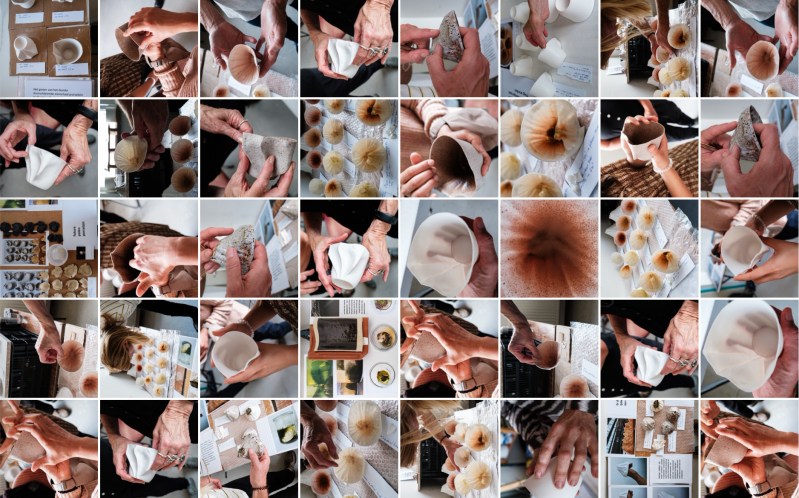
finissage artist-in-residency at Cool Clay Collective, Rotterdam, 2025
still-life
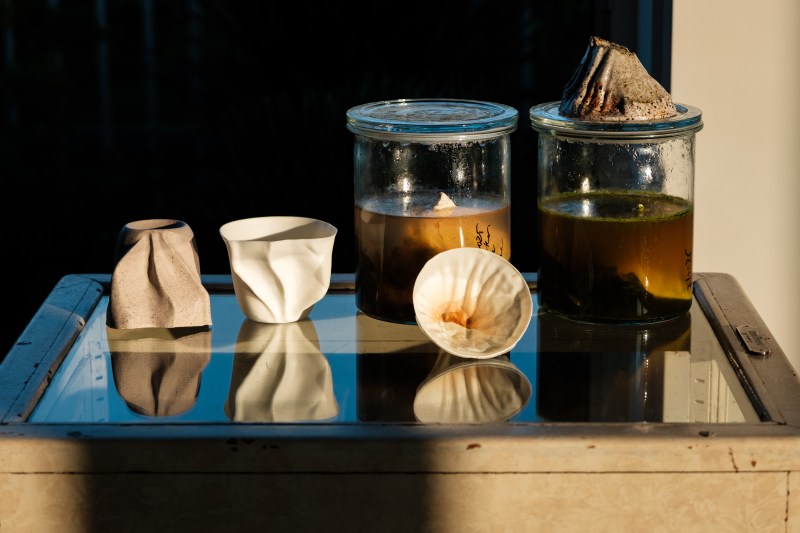
Een fossiel uit de diepe ondergrond van Rotterdam wordt middels 3-d technologie en verschillende keramische technieken een model dat met bodemmaterialen uit de oorspronkelijke habitat van het fossiel opnieuw ‘gefossiliseerd’ wordt.
Een fossiel met een tijdsdiepte van 2 miljoen jaar voor heden. Gevonden in de ondergrondse bodem, op een diepte van 164 meter onder het huidige straatniveau van Rotterdam. Deze Walvispok soort is nu gestorven, maar het fossiel is bewijs dat hier eens walvissen zwommen in een koude oer-Noordzee (bron: Natuurhistorisch Museum Rotterdam). Charles Darwin (1809-1882) bestudeerde 8 jaar lang zeepokken, de basis voor zijn evolutietheorie The Origin of Species. Hij trouwde Emma Wedgwood, kleindochter van de oprichter van het Wedgwood porselein.
With special thanks to Bram Langeveld and the Natural History Museum Rotterdam & experts Bert van der Valk, Henk Mulder, Sander Alblas, Yvo van Os, Vuur Collective Amsterdam & Cool Clay Collective Rotterdam and all visitors of the finissage.
The project is funded by Van Achterbergh-Domhof Foundation.
Most photo’s courtesy Theo Mahieu.
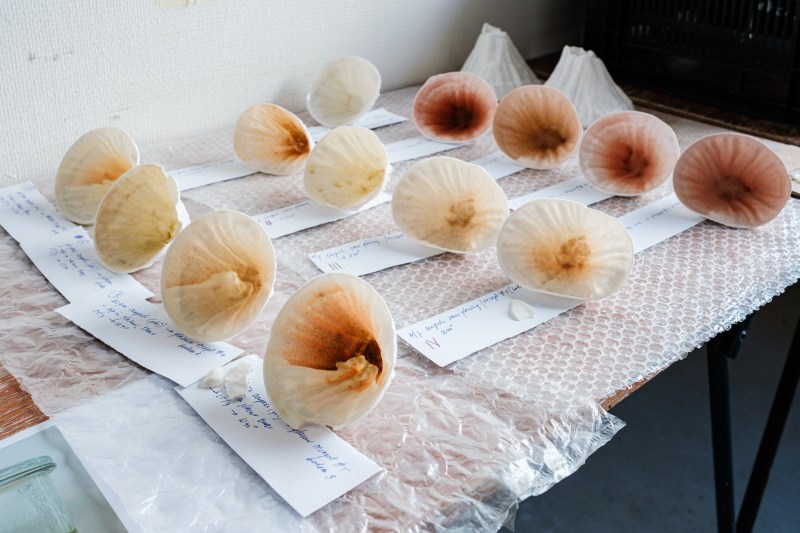
material research of hybrid bodies and – mineral glazing with -164 m subsurface soils
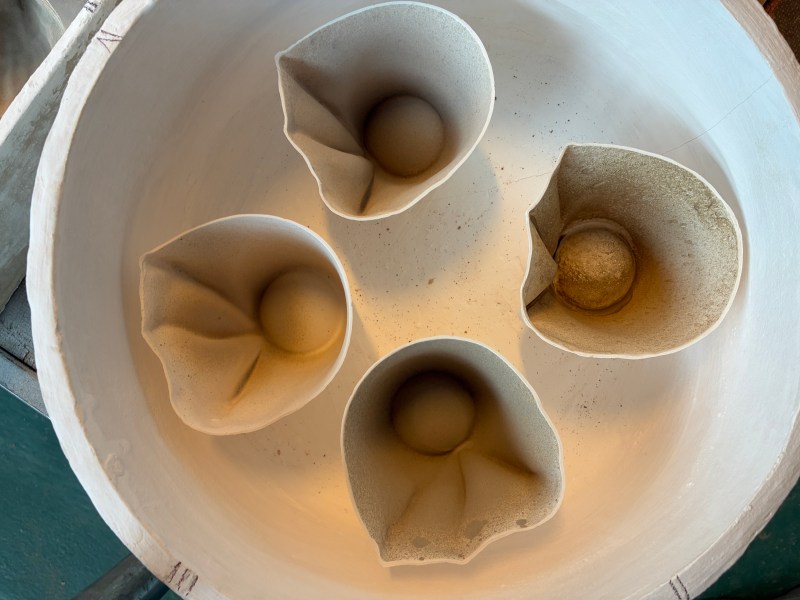
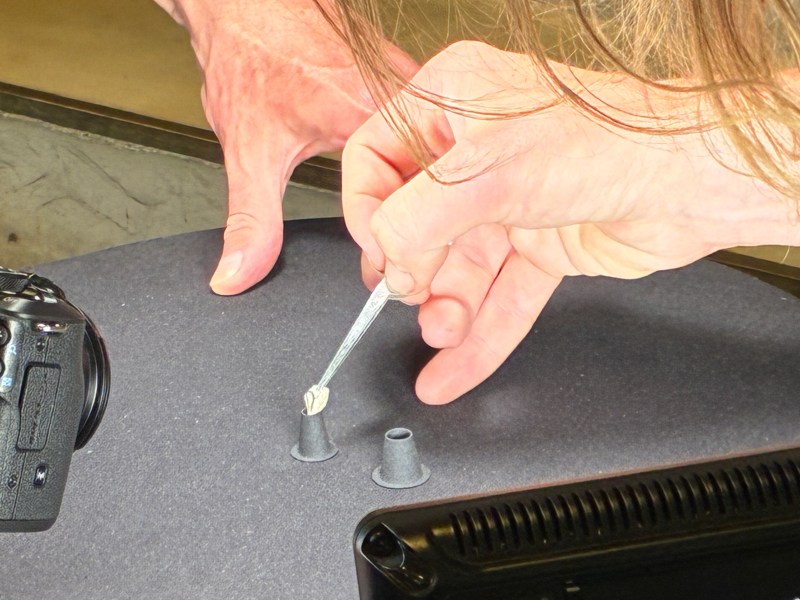
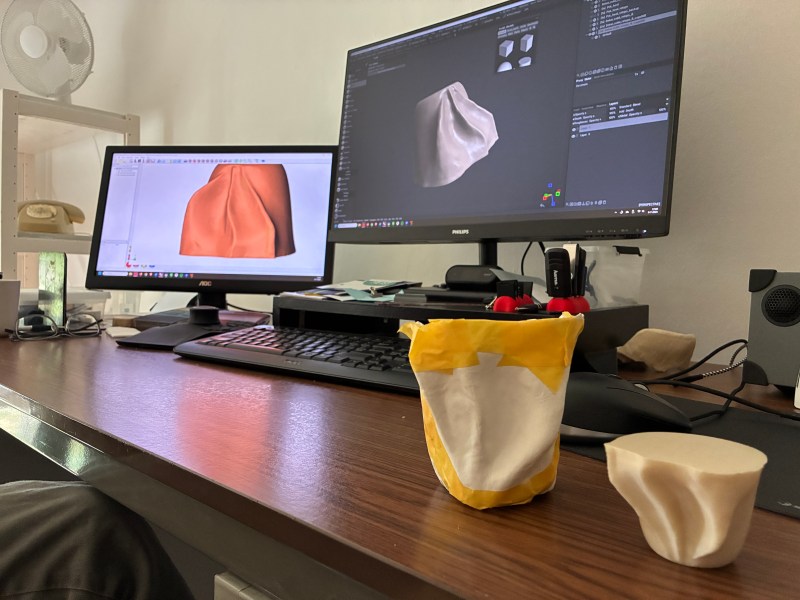
shaping a sensorial model of a hybrid fossil-artifact, in between hands and 3d technology
inspirations:
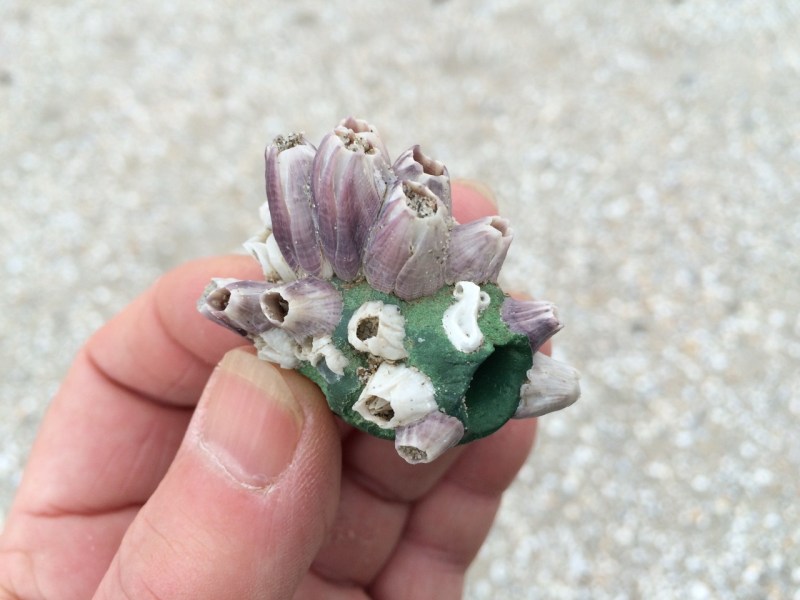
the culture of nature: hybrid nature-culture found at the Zandmotor in 2016
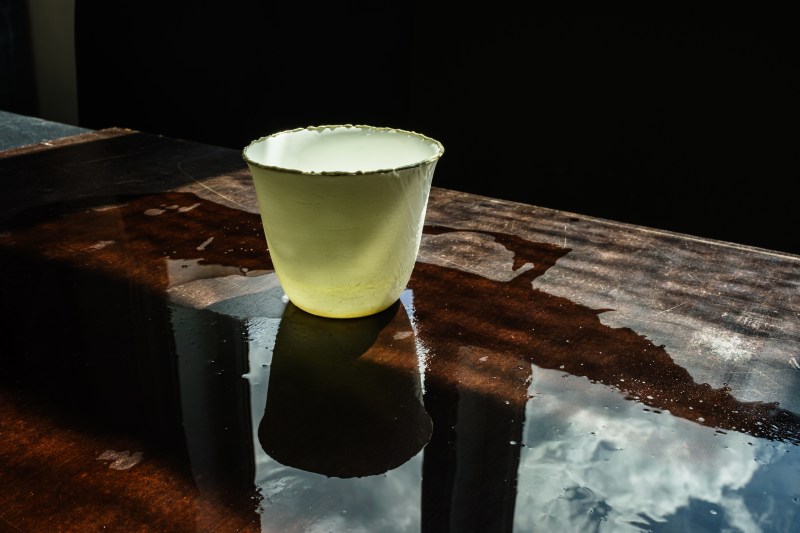
First explorations of a making a hybrid fossil-artifact, a Cup with Soul with a rim of North Sea Mammoth Fossils Celadon glazing, made during artist-in-residency at EKWC in 2020.
about:
Both the donation of the subsurface soils and access to (and knowledge of) the unique whale barnacle fossil are kindly made possible by Bram Langeveld & the Natural History Museum Rotterdam. Bert van der Valk and Henk Mulder contributed to the research with a donation of ca. 4 million old barnacles, found in Estepona, Spain. Bram Langeveld is biologist and curator with a passion for fossils at the Natural History Museum Rotterdam. Bert van der Valk is geologist at Deltares. Henk Mulder is fossils collector.
Sander Alblas (Grave) and Yvo van Os (The Hague) are both 3d experts.
Cool Clay Collective is a ceramics workshop by and for artists in the Rotterdam region, founded by artists Dirk van Lieshout, Hans Muller and Boris van Berkum. The Cool Clay Collective provides artists with a workspace equipped with ceramic kilns for both large and smaller works. This aims to encourage experimental innovation and high-quality art production within the medium of ceramics. https://coolclay.nl
vuur collective is a shared ceramic workspace in Amsterdam exploring sustainable, locally sourced, and regenerative materials. Co-founded by Benedetta Pompili, Hannah Rose Whittle and Yuval Harel, the collective offers a non-institutional platform where makers, artists, and designers engage in circular practices and collaborative material research. https://vuurcollective.nl
Van Achterbergh-Domhof Foundation supports projects at the intersection of art with science and ceramics. https://www.vanachterbergh.nl
 Jacqueline Heerema