climate conscious ceramics | future paleo porcelain re-inventing historic porcelain- and Bone China recipes re-use, re-cycle and up-cycle with respect for resources, both natural and artifactual public touching upon time & climate
maker |hybrid fossils-artifacts | North Sea Mammoth Fossils Porcelain | The Hague Dunes Iron Age Pottery Porcelain | aardtijd | Bekers met Ziel | Cups with Soul | Raw Subscapes & Raw Plantscapes | Still – Life | plant made | botanical porcelain | Biodigital Eggshell Porcelain | Future Paleo Porcelain & more, while also utilizing 3D technology, text and photography. Recent artist-in-residencies at BC3, Basque Centre for Climate Change in Bilbao in 2019; at EKWC, the European Ceramics Work Centre in 2020; EKWC in 2021; Zone2Source Amsterdam 2021; Cascadas Artspace Barcelona 2022; Zone2Source Amsterdam 2022; ClayKitchen Portugal 2023; Zone2Source Amsterdam 2024; Kouraku Kiln in Arita, Japan in autumn 2024, with special thanks for the Research Grant by Stroom The Hague;Cool Clay Collective Rotterdam in 2025, with special thanks to Van Achterbergh-Domhof Foundation.
works, empirical artistic field research, artist-in-residencies, exhibitions, public interventions
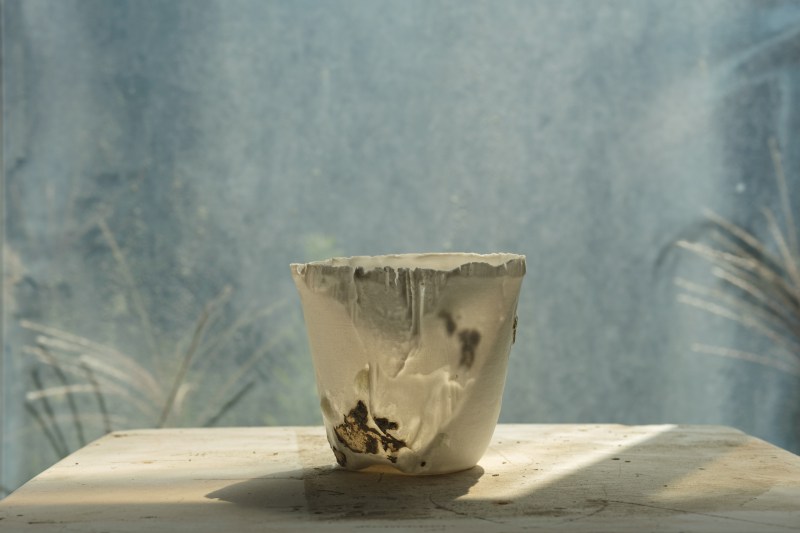
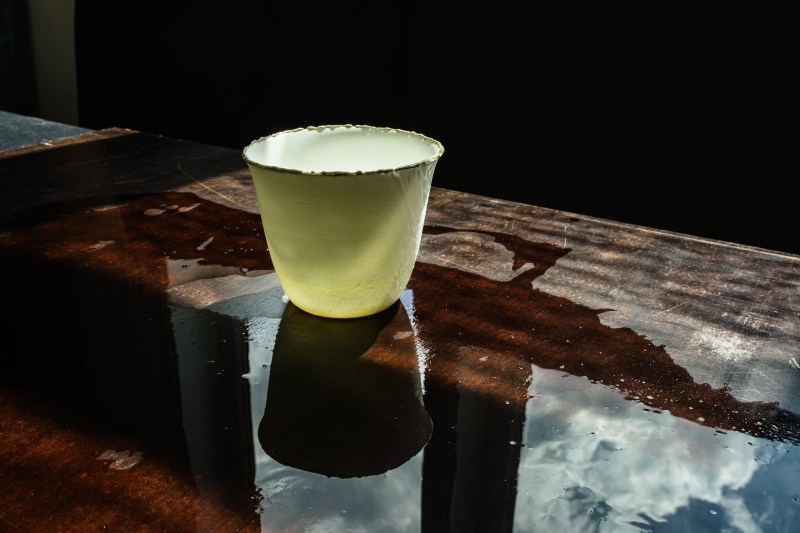
trying to capture timeless landscapes in a simple, sensuous Cup with Soul| Beker met Ziel
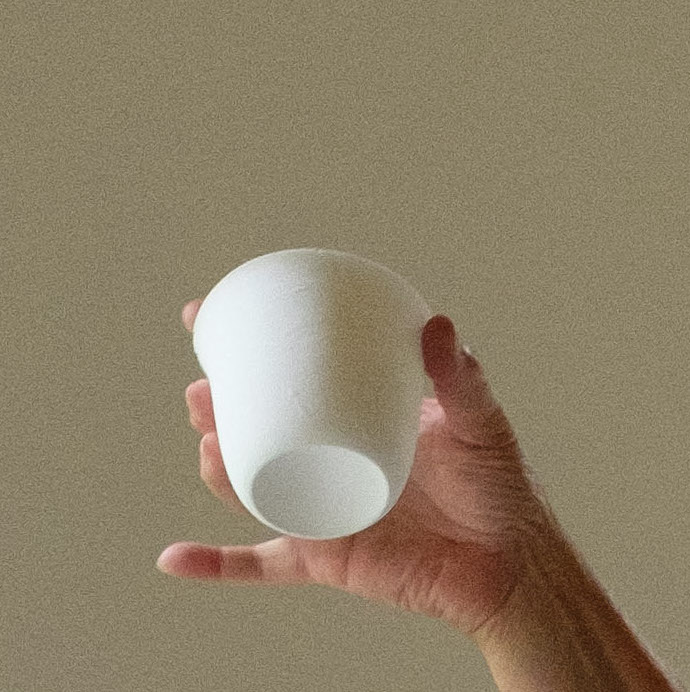
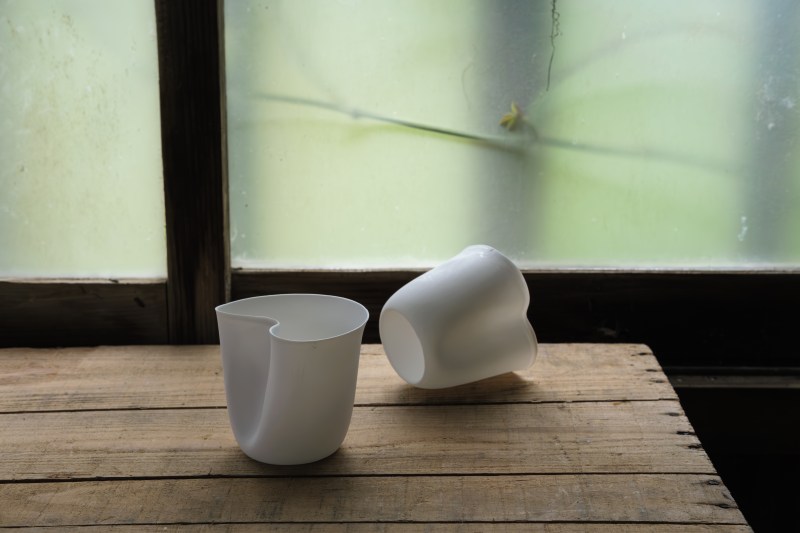
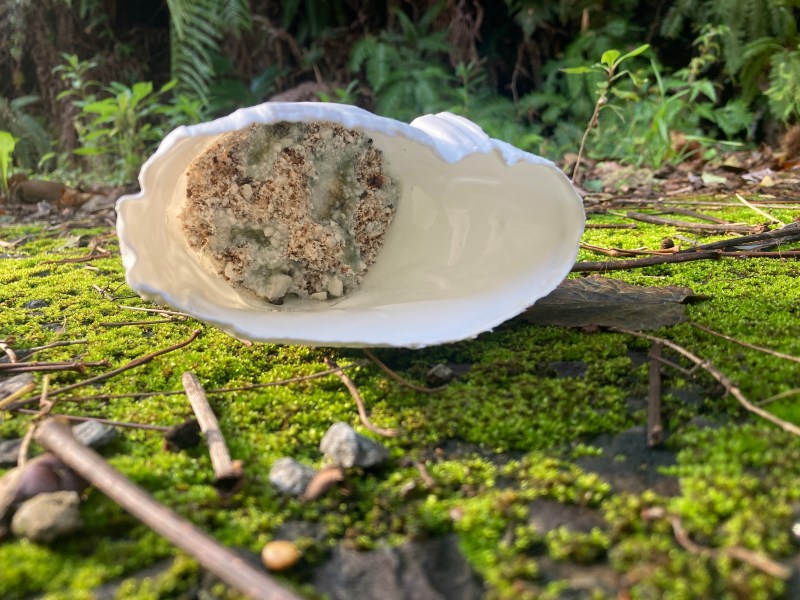
In Dutch the word ‘ziel’ can refer to etherial (onstoffelijk), or a sediment collection point (verzamelplaats voor bezinksel). In English, wine bottles have a ‘punt’. I made several porcelain casting slips mixed with wild clays, mosses, seaweeds, algae and other biogenic Earth matter…and discovered a love story! Different entities either attract or reject each other. I became quite addicted to the slow pace and delicacy of casting porcelain; my personal record is 20 seconds drying time before flipping the mold. Casting the thinnest translucent eggshell porcelain has become an exercise in anticipation of a future climate, while using as little resources as possible to express the beauty of Earthly vulnerability and transience.
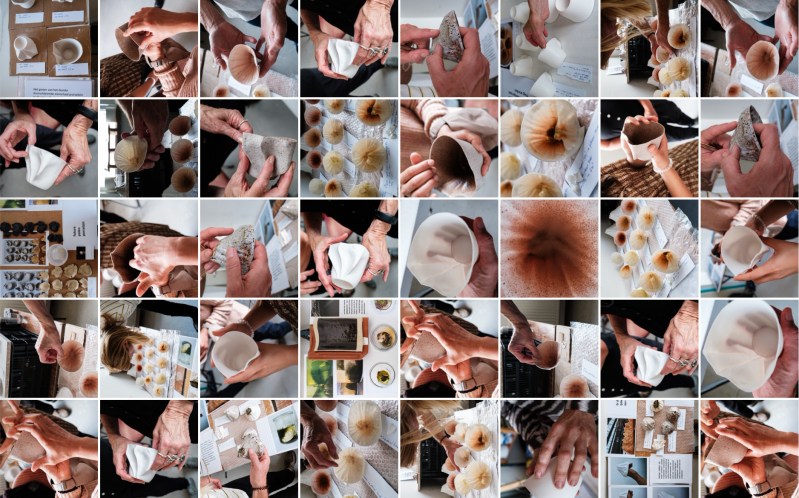
Public Touching upon Time & Climate
Public Touching upon Time & Climate, finnisage artist-in-residency at Cool Clay Collective, 2025
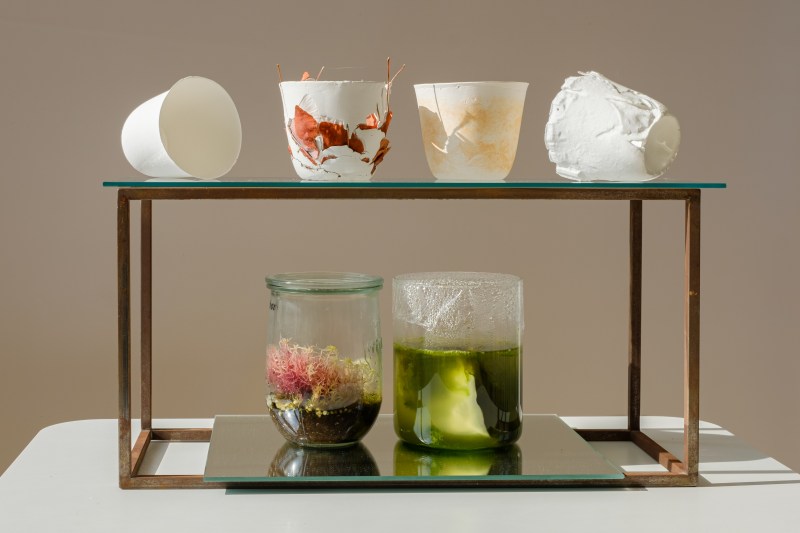
Still-Life
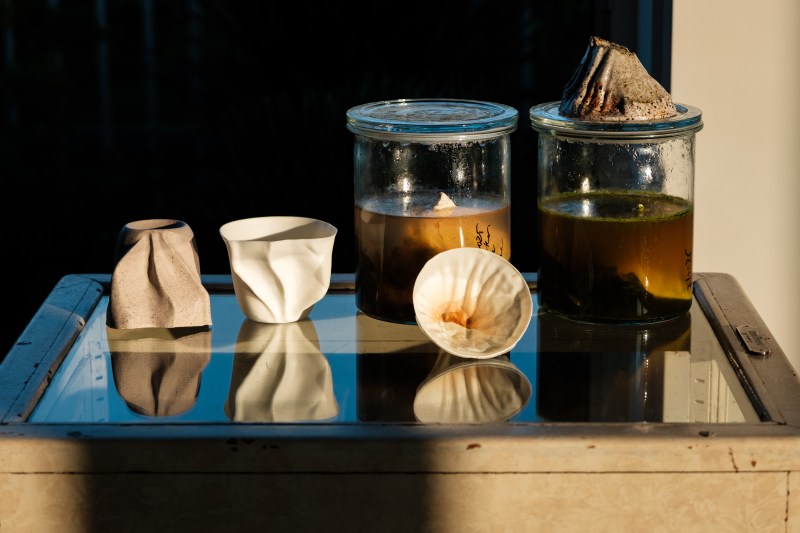
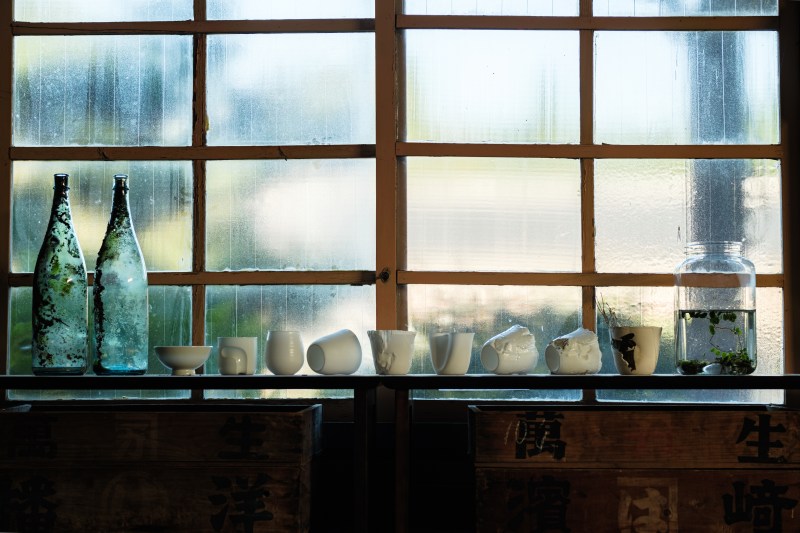
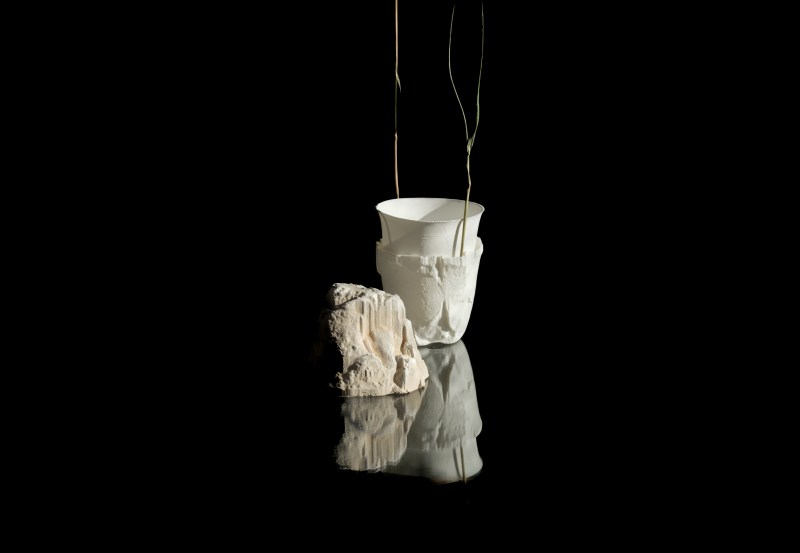
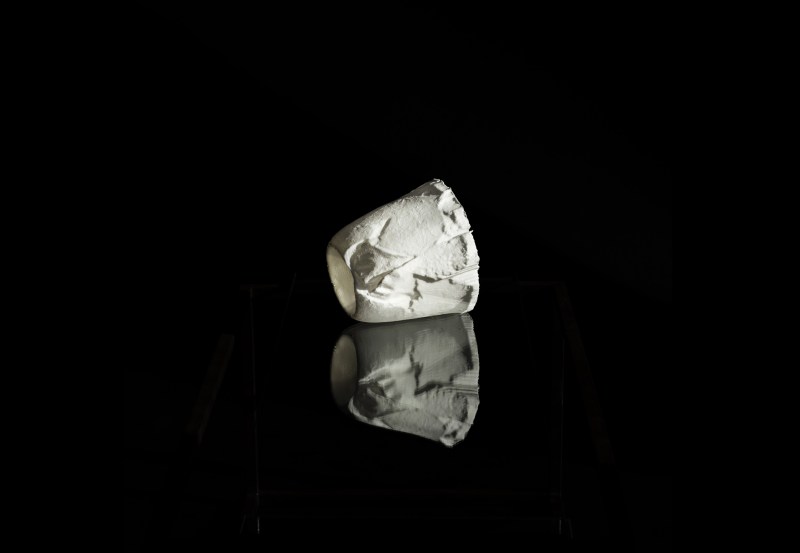
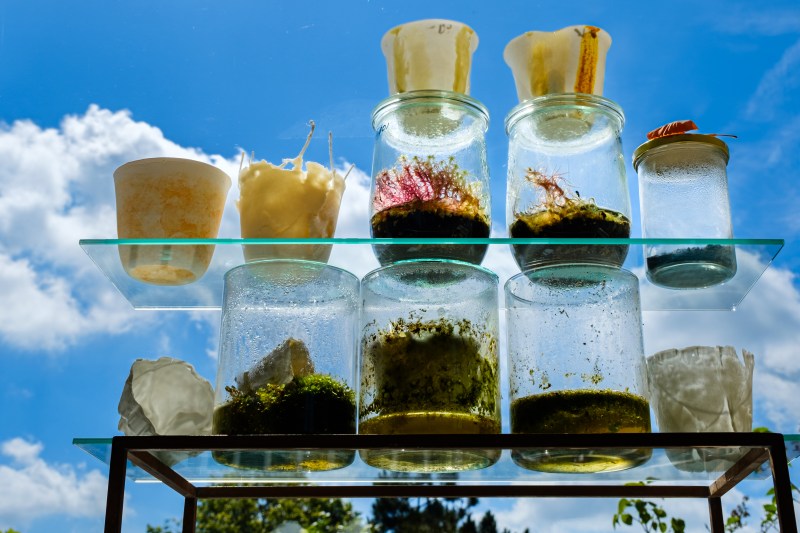
With the ever-changing incidence of light, glass and mirrors, shadows and reflections an emblematic still-life with upper- and underworlds is shaped about Earthly vulnerability and mutual interdependency.
Still-Life, next level future paleo porcelain, 2025 artist-in-residency at Cool Clay CollectiveStill-Life, Seeking the light of the shadow, Arita Japan, 2024Still-Life, botanical eggshell porcelain 2024Still-Life, collection of Cups with Soul 2020-2023
Overlevers | Survivors raw porcelain meets living botanical heritage
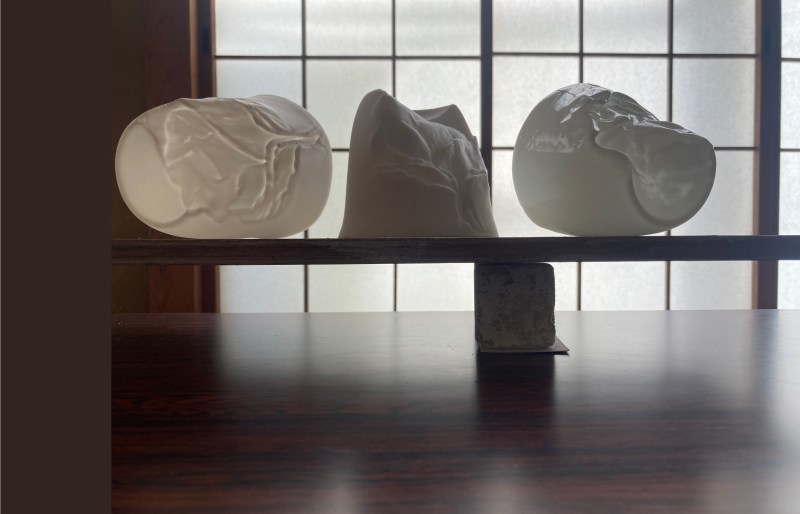
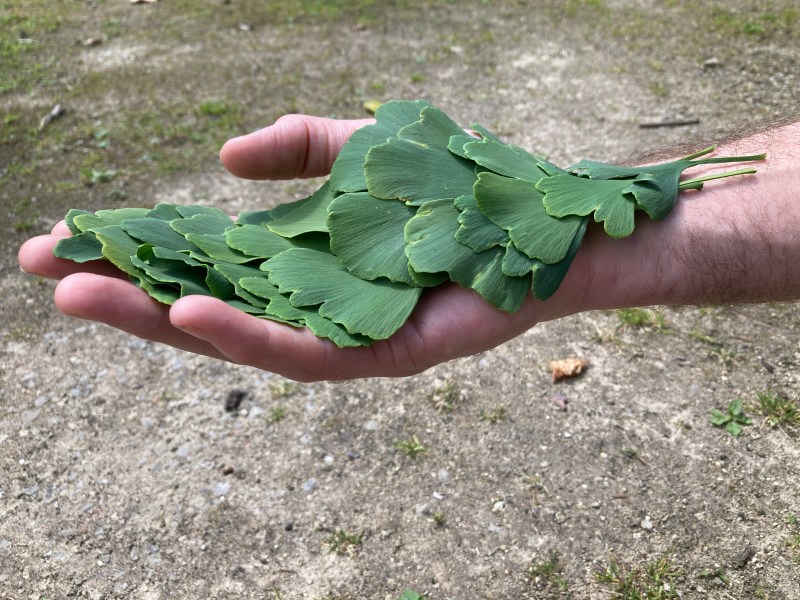
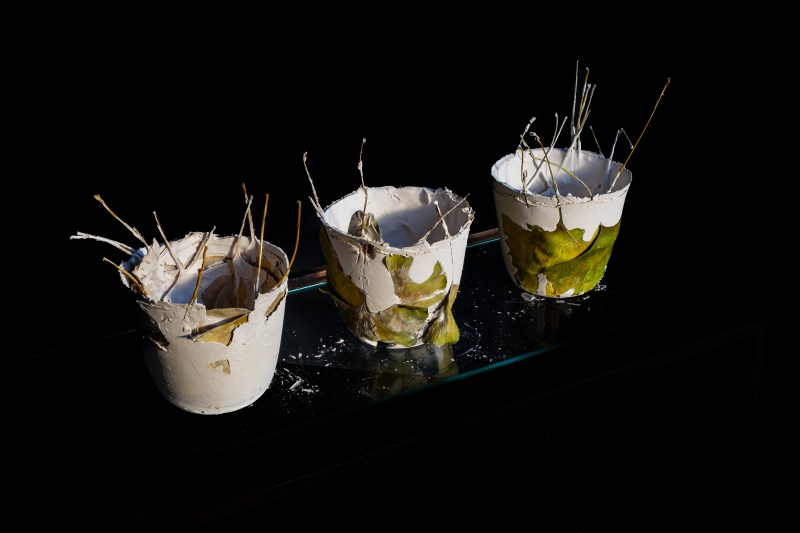
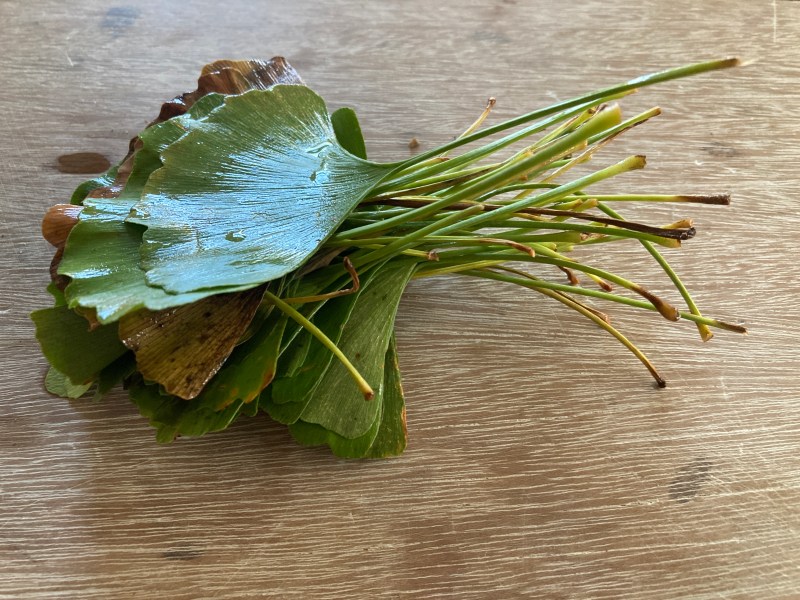
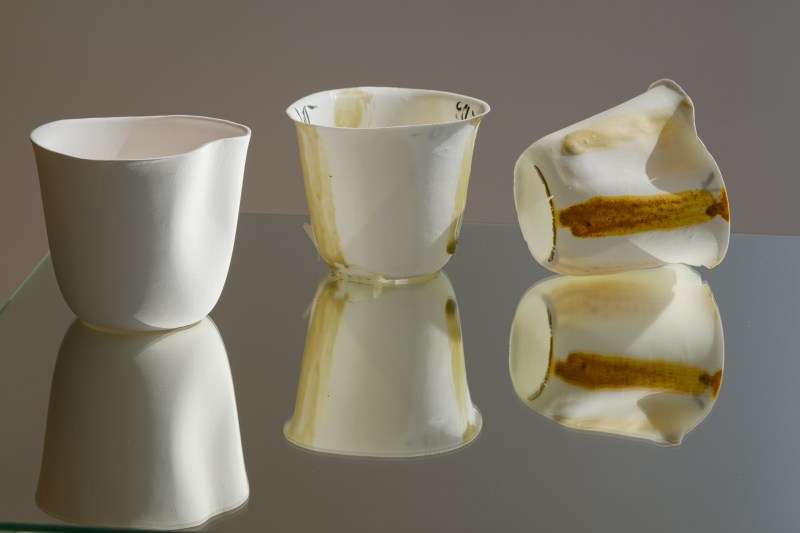
Oo Ichou, 2024. Raw porcelain meets living botanical heritage. (Left) ultra-thin translucent eggshell porcelain – (middle) recycled crushed re-fired porcelain – (right) glazed. Made during the artist-in-residency at Kouraku Kiln in Arita, Japan with imprints of leaves of Oo Ichou, as the locals lovingly call the 1000-year-old Ginkgo tree in their midst, while also utilizing 3D technology. Presented during ‘Seeking the light of the shadow’ in Arita, Japan.‘Overlevers | Survivors’ is a hommage to Ginkgo biloba, said to be a living fossil or ‘a tree that time forgot’ (Peter Crane). A survivor, understood to be unchanged for 200 million years through several mass extinctions and regarded as the oldest surviving plant. Deeply intertwined with the prehistoric planet. Nurtured, valued and saved from extinction by human beings.Plantscape #2, 2023-2024. Raw porcelain meets botanical heritage. Ginkgo leaves from oldest Ginkgo in the Netherlands, brought by VOC botanists from Japan and planted at Oude Hortus, botanical garden University Utrecht in 1735. The leaves are in the process of making imprints themselves of living/drying/dying in drying/shrinking raw porcelain.A future trace fossil, for unknown posterity.Raw porcelain with leaves from Ginkgo trees in the botanical garden Utrecht (planted in 1730) and the botanical garden in Leiden (planted in 1785), 2023.
Still-Life 2023, raw & single firedBiodigital Eggshell Porcelain #1 , 2023Plantscape #I, 2022, living Ginkgo leaves from the Japanese garden in Amstelpark in Amsterdam are in the process of making imprints themselves in raw porcelain
Breath, 2024. Biomorphic eggshell porcelain, artist-in-residency at Kouraku Kiln in Arita, Japan.leaves of Oo Ichou, as the locals lovingly call the 1000-year-old Ginkgo tree in their midst, Arita Japan, 2024When inside and outside seem to touch, 2024. Biodigital Eggshell Porcelain & Ginkgo ash glazing, artist-in-residency atKouraku Kiln in Arita, Japan. Biodigital Eggshell Porcelain & Ginkgo fruits & nuts & ash & Amakuza fine stones glazing, wood fired at Hasami Noborigma, artist-in-residency atKouraku Kiln in Arita, Japan.testingbiomorphicfluidity of breath & of raw Ginkgo ash glazing – single fired2024testing organic glazing with mosses, weeds, Ginkgo ashes, 2024translucent porcelain Cup with Soul with a rim of North Sea Mammoth Fossils Celadon glazing, EKWC 2020
It’s a love story: Earthly Provenance | Ancestral Intimacy:
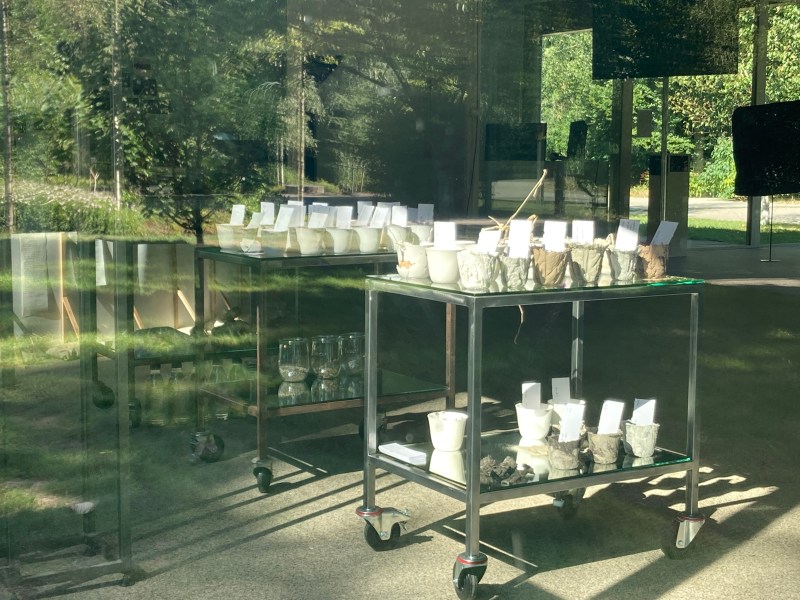
I: Sphagnarium II: Cups with Soil, hybrid fossils -artifacts III: Cups with Soul, raw Plantscapes & raw Subscapes Dagzomen, artist-in-residency Park Studio de Orangerie; exhibition at Glazen Huis, part of Our Living Soil, Zone2Source at Glazen Huis, Amstelpark Amsterdam, 2022
It’s a love story: Earthly Provenance | Ancestral Intimacy, exhibition Zone2Source 2022
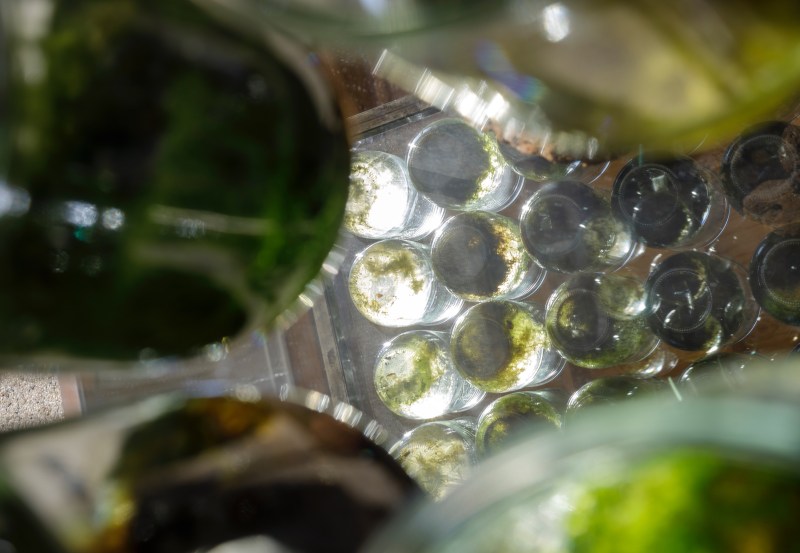
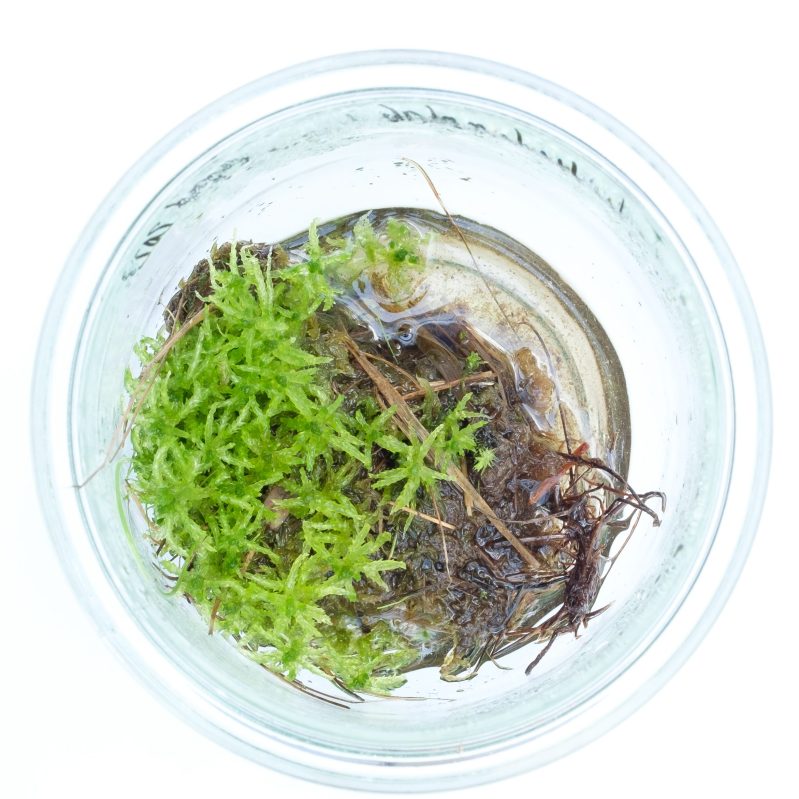
I: Sphagnarium leaning to care for living collection of Dutch indigenous terrascaping Sphagnum, peat mosses
Sphagnarium
II: Cups with Soul hybrid fossils-artifacts, the beginning of a love story!
Cups with Soul
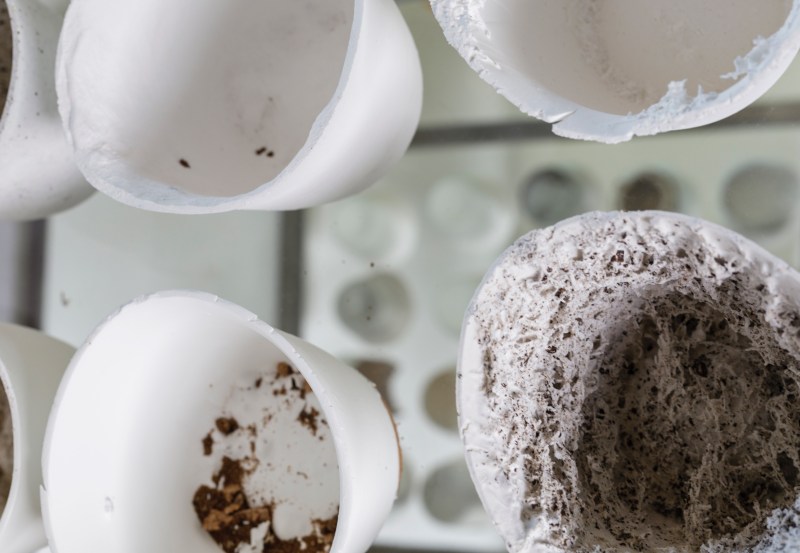
III: Cups with Soul raw Plantscapes & raw Subscapes
Cups with Soul: raw Plantscapes & raw Subscapes
cardial ceramics
in search of the miraculous…the in-between-ness … Soft Shells, inspired by Neolithic Cardial Ceramics, artist-in-residency at Cascadas ArtSpace icw Dept Archeology UAB Autonomous University of Barcelona, Barcelona, 2022
Sphagnarium start of a living collection of Dutch indigenous terrascaping Sphagnum, to learn to take care for peat mosses, since 2021
Sphagnarium
submerged
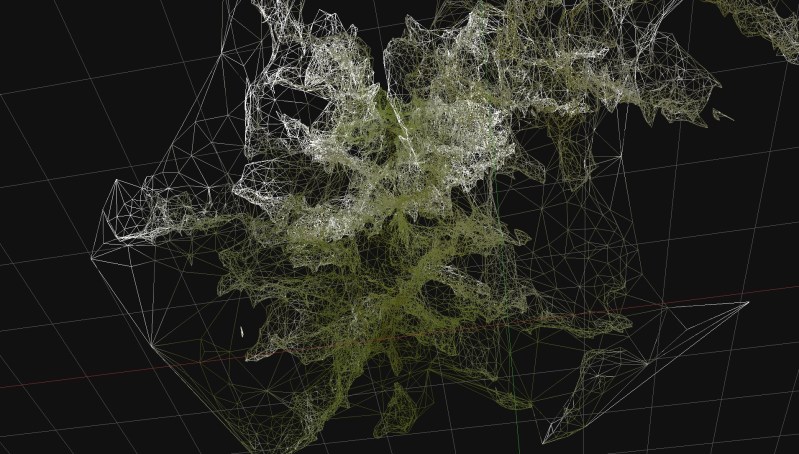
3d scan of a single strand of submerged Sphagnum or terrascaping peat mosses
aardtijd
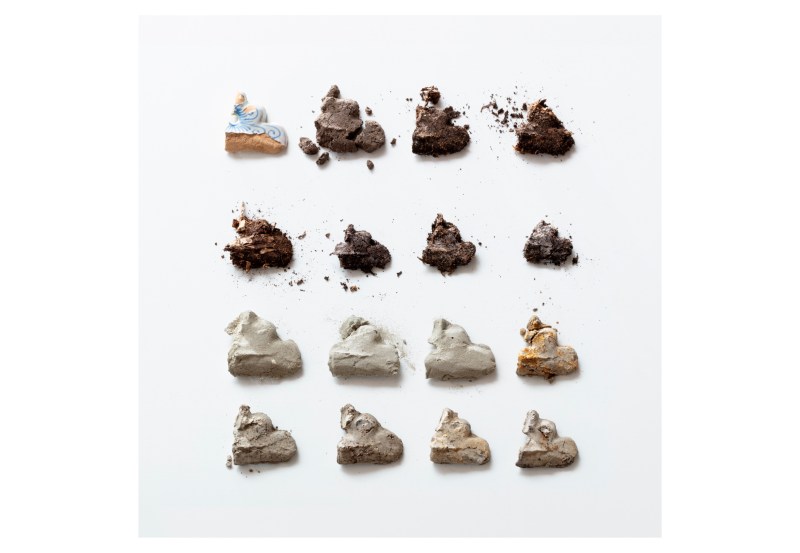
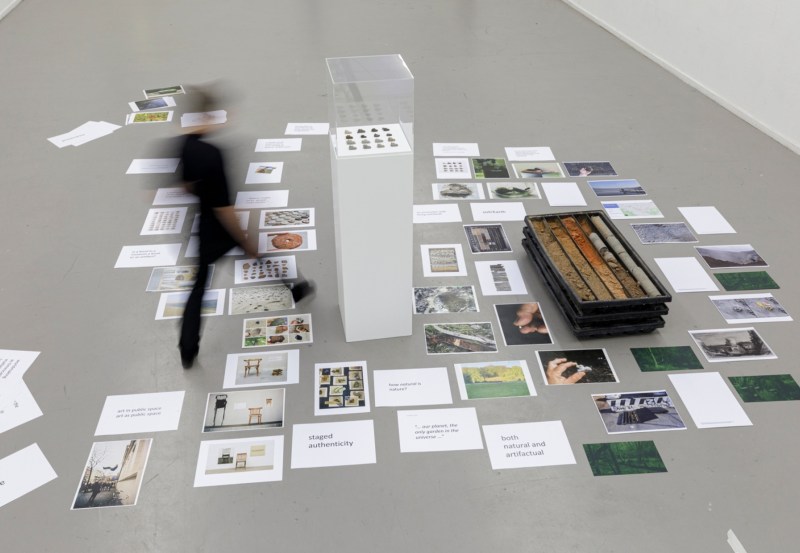
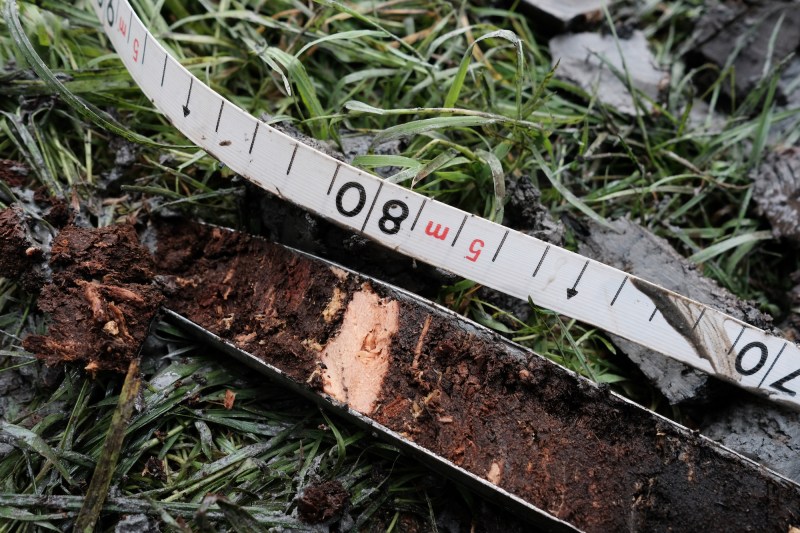
aardtijd, 2021 an art work that is too vulnerable to touch, while seeking sensorial connections with soil/Earth. A found 17th century artifact and unfired samples of soil to a depth of 10 meters and with a time-depth of approx. 6000 years, collected during a public soil drilling at Land in Wording in 2019. Since then I am guardian of living soils. Subsurface as living climate archive with soils/Earth that lives, breathes, grows, shrinks.Gathering Dust, or delay as an artistic research method (2019-2022); exhibition; public performative intervention with personal artistic archive, Arti et Amicitiae, Amsterdam 2022. Gathering dust 2 is performed by students Artistic Research In Situ (University of Amsterdam, Gerrit Rietveld Art Academy, Maastricht Institute of Arts).The becoming, The being & The meanwhile #2, collecting raw subsurface earth to a depth of 10 meters and with a time-depth of approx. 6000 years. Public intervention soil drilling Land in Wording, subsurface as living climate archive, 2019
The Hague Dunes Iron Age Porcelain & – Celadon re-cast as repository | residual intimacy, EKWC 2021
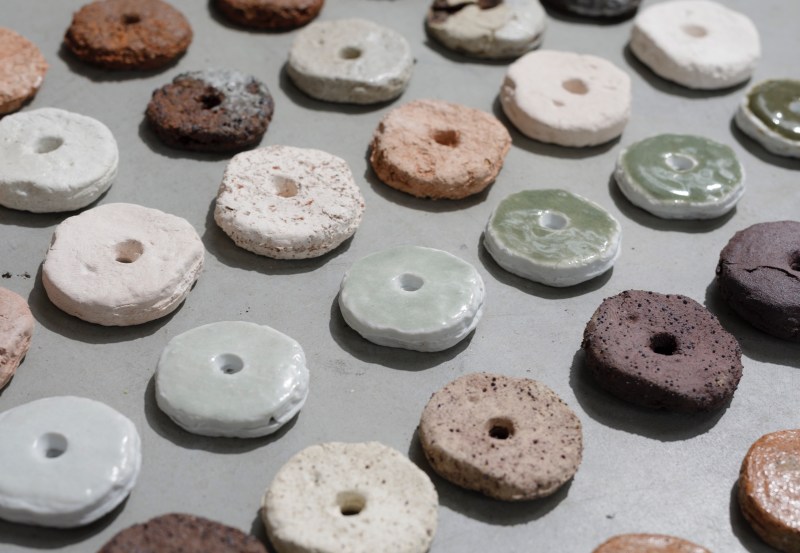
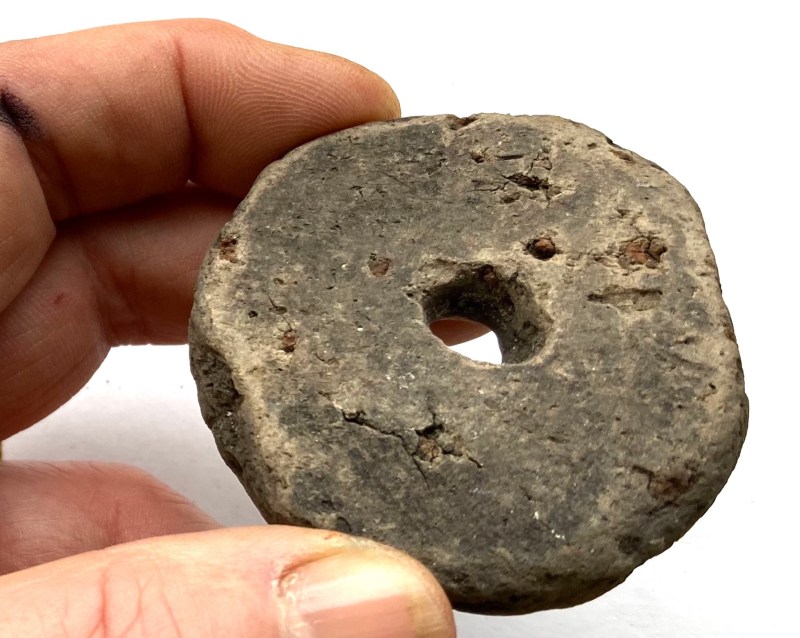
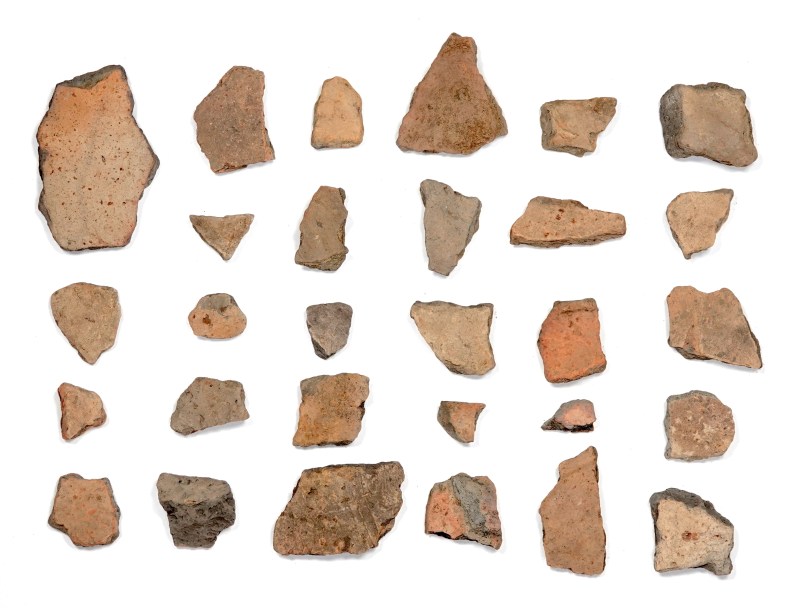
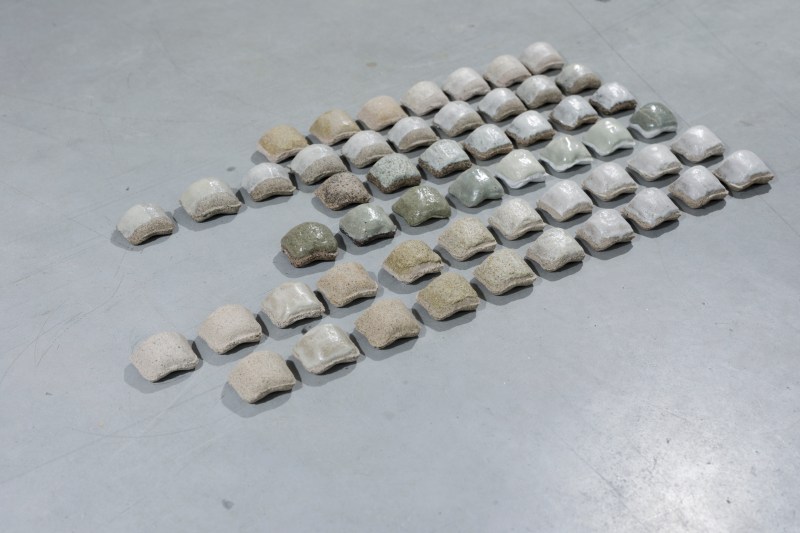
Collection of The Hague Dunes Iron Age Porcelain & – Celadon, 2021. Part of Re-cast as repository | Residual intimacy. Reinventing historic porcelain and Bone China recepis by recycling Iron Age pottery shards. Made during 2nd artist-in-residency at EKWC – the European Ceramics Work Centre in 2021. Open Studio at Test Case XXIV, EKWC 2021, introducing The Hague Dunes Iron Age Porcelain & – Celadon.308-S75: a sample of prehistoric re-use of broken pottery for an Iron Age tool, a spinning whorl (in Dutch spintol, spinschijf) on loan from The Hague Archeology, 3-d scanned to make molds.Iron Age pottery shards.Source location: The Hague dunes. Source materials: archeological Iron Age pottery shards, found in a blow out (in Dutch stuifkuil), The Hague dunes. In Situ: x – y coordinates; Ex Situ: z- coordinates: the shards drop vertically when the wind blows away the sands.
North Sea Mammoth Fossils Porcelain & – Celadon sedi | senti | ment, EKWC 2020
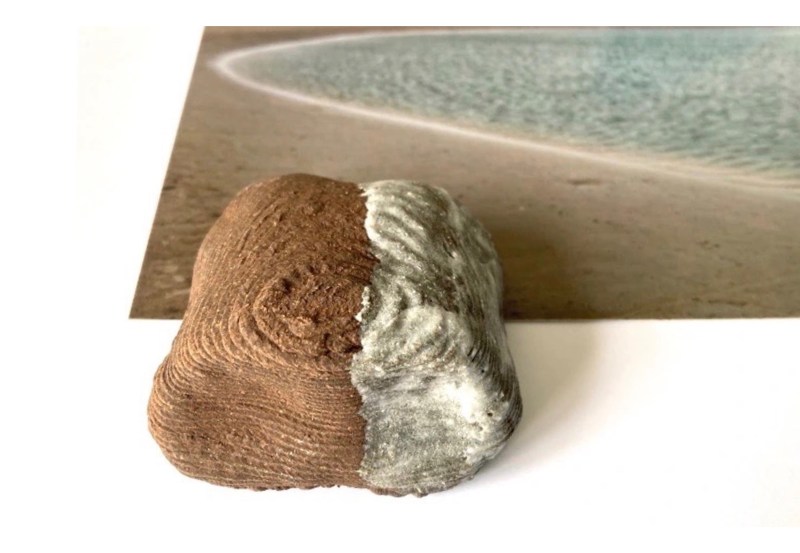
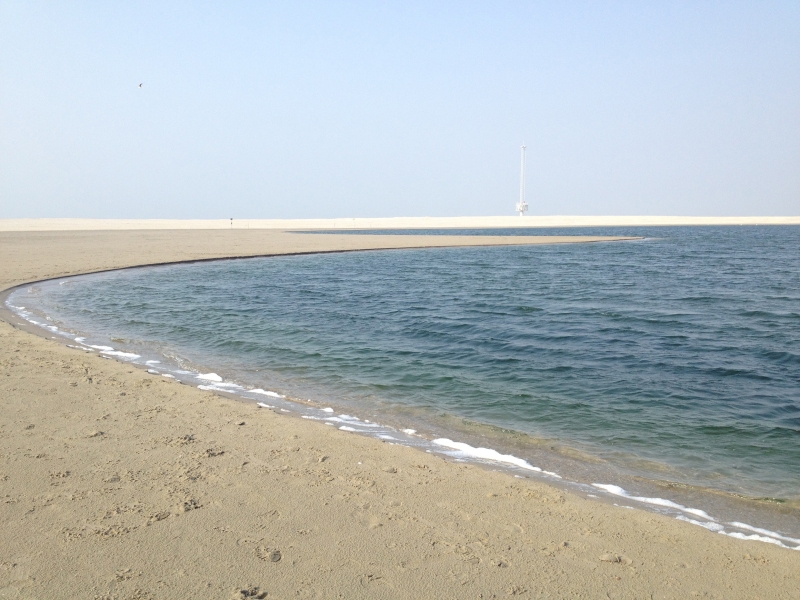
Collection of North Sea Mammoth Fossils Porcelain & – Celadon, 2020. Part of sedi | senti | ment. Reinventing historic porcelain and Bone China recipes by recycling Mammoth fossils fragments. Made during first artist-in-residency at EKWC – the European Ceramics Work Centre in 2020. Presented at Open Studio at Test Case XXII at EKWC 2020, introducing also 3-d printed North Sea Mammoth Fossils Porcelain and -Celadon. @EKWC, 20203-d print with North Sea Mammoth Fossils Porcelain and -Celadon glazing with image of Sand Motor, source location of Pleistocene Mammoth fossils that were dredged with the sands from the bottom of the North Sea to prepare the shores for ongoing sea level rise & climate change.
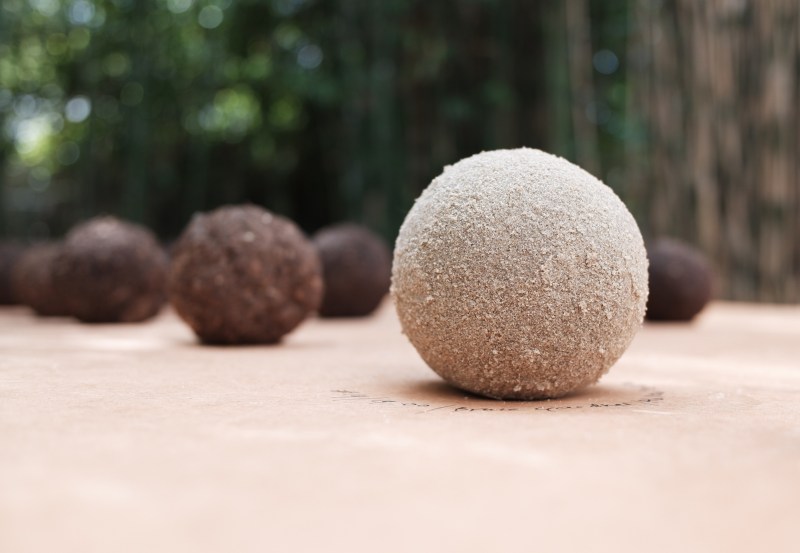
Inhale. Exhale. The art of making an Earth sphere
24hr online global workshop, following the sunrise around the globe with participants from all continents to jointly experience the timescales of soil/Earth during COVID for Re-Peat Fest, 2020. Image: Earth Sphere #19 31052020 at 19:00. In my home garden in The Hague (NL) I made an earth sphere with dune sand from underneath my 100+ year old house, with sands that had not seen the sunlight since the house was build. Inspired by Dorodango, the Japanese art of making mud balls.
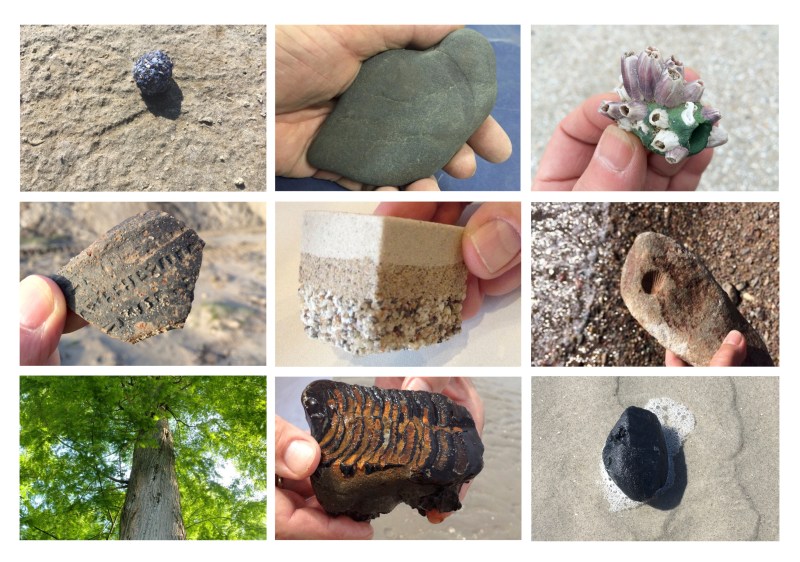
personal reference collection of fossils and/or artifacts
Fossils and/or artifacts can be perceived as the both the conceptual as physical memory of climate.conceptual ceramics | conceptual porcelain
source the sea, shifting landscapes & future climate




 Jacqueline Heerema