…work in process…in search of… circulair sustainable conceptual ceramics…
art + Earth + paleontology + geology + archeology + hydrology + ecology + future climate + conceptual ceramics + 3-d technology + Sea: it’s a love story!

Bekers met Ziel | Cups with Soul

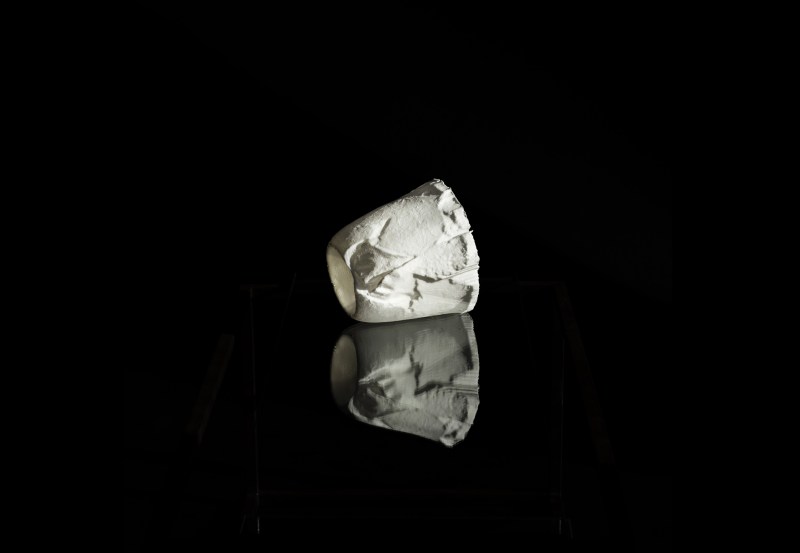
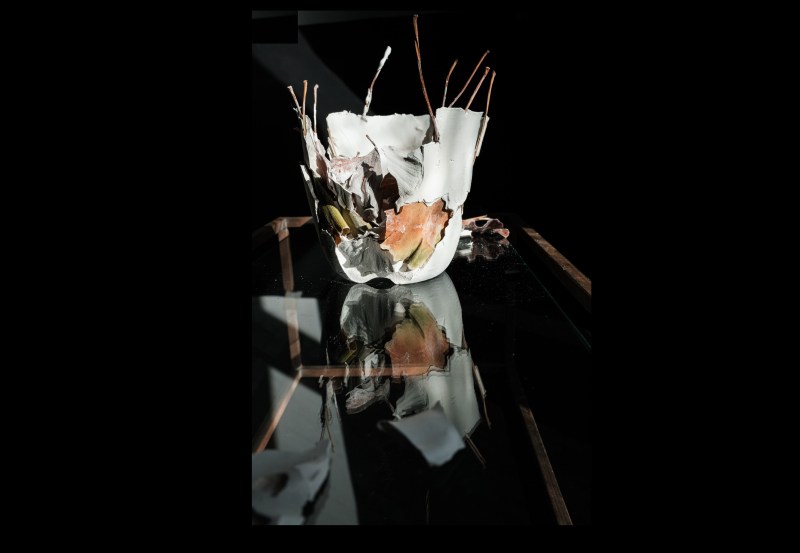
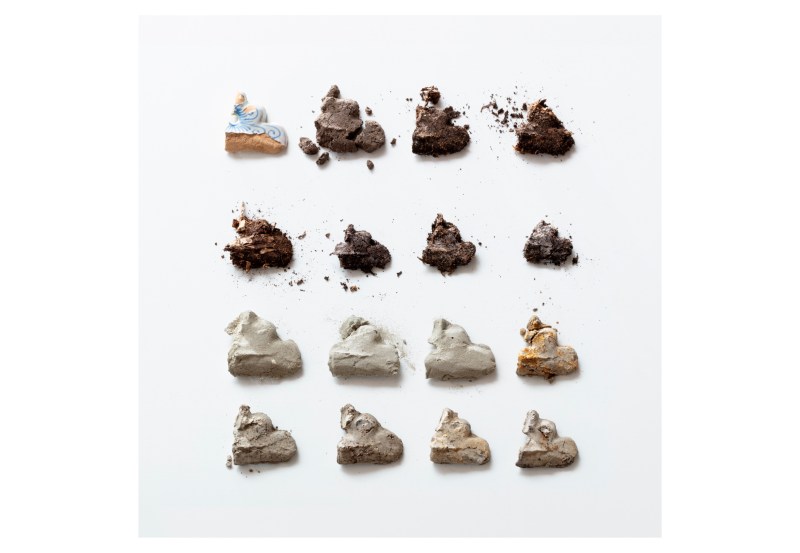
with till (keileem), North Sea Mammoth Fossils Porcelain, Mosses- Dunes Iron Age pottery shards Porcelain, Plantscape III cast outside and cast inside of plantmade Biodigital Eggshell Porcelain: sunlight, reflection, substance of shadow; photo Theo Mahieu.
works
Still-life | still of time | beauty of transience, of impermanence
Shape-shifting sun, water, minerals | glazing by nature
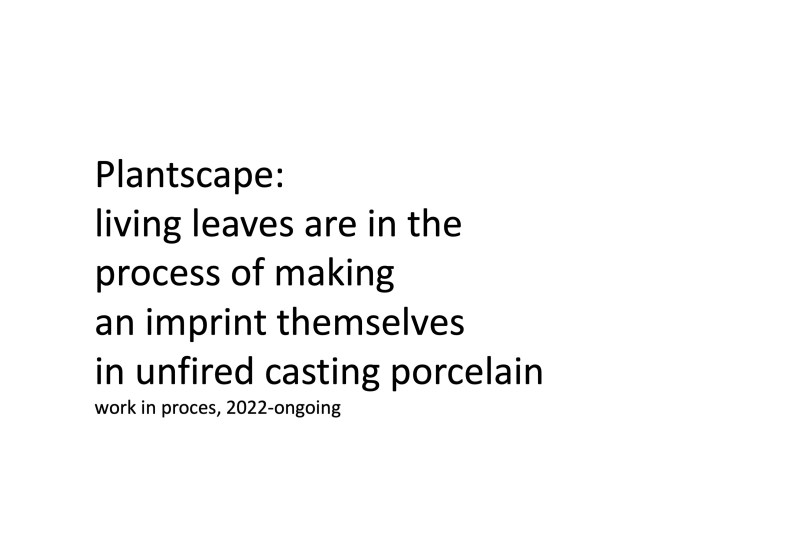
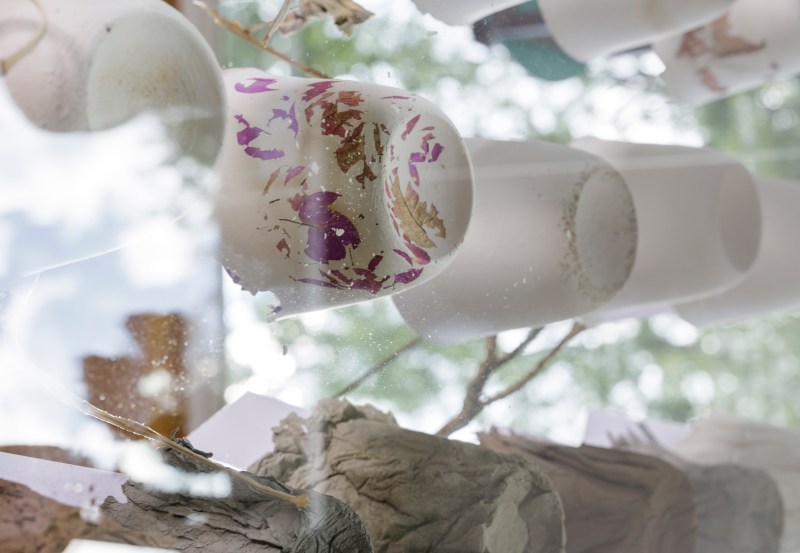
Plantmade | botanic porcelain | 3-d technology | biodigital eggshell porcelain | vulnerability | Earth
Cups with Soul II | raw Subscapes & Plantscapes
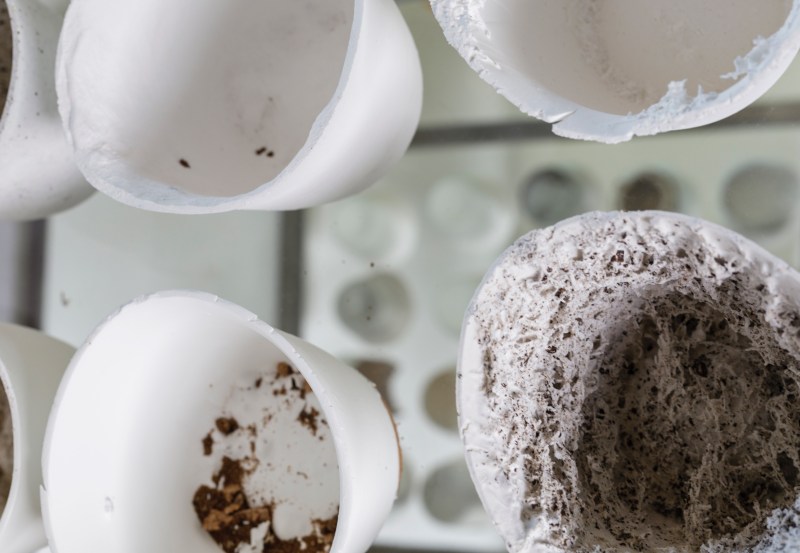
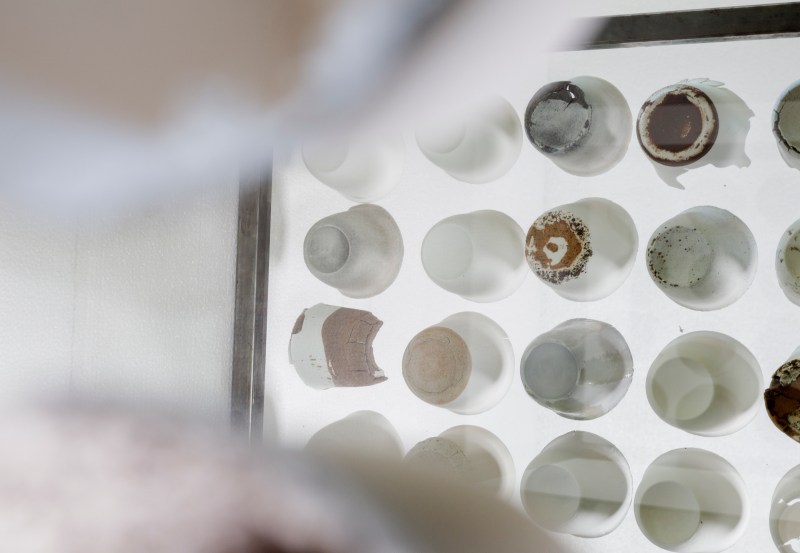
Cups with Soul | the beginning of a love story
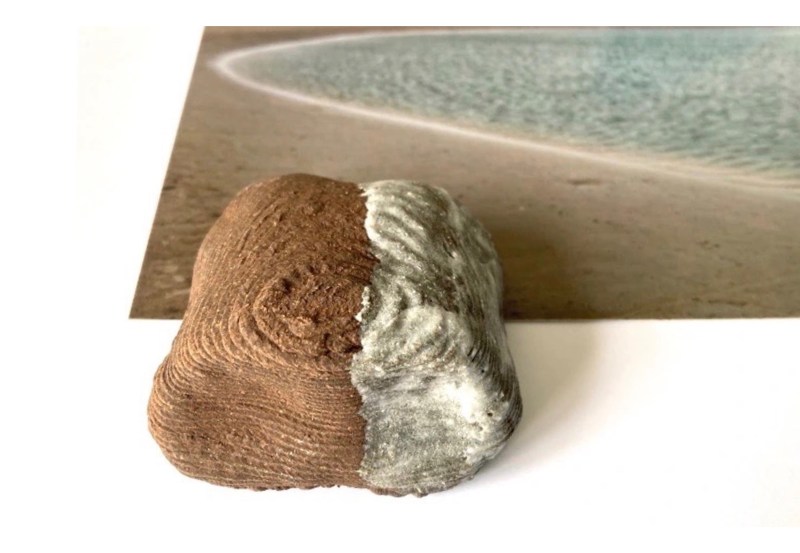
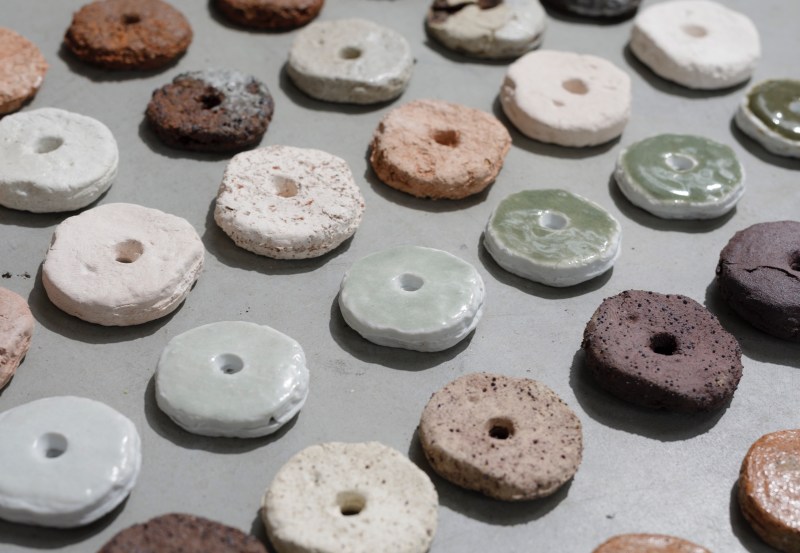
Hybrid fossils-artifacts | both natural and artifactual | porcelain, reinventing Bone China | recycling Mammoth fossils and Iron Age potshards:
North Sea Mammoth Fossils Porcelain
The Hague Dunes Iron Age Porcelain
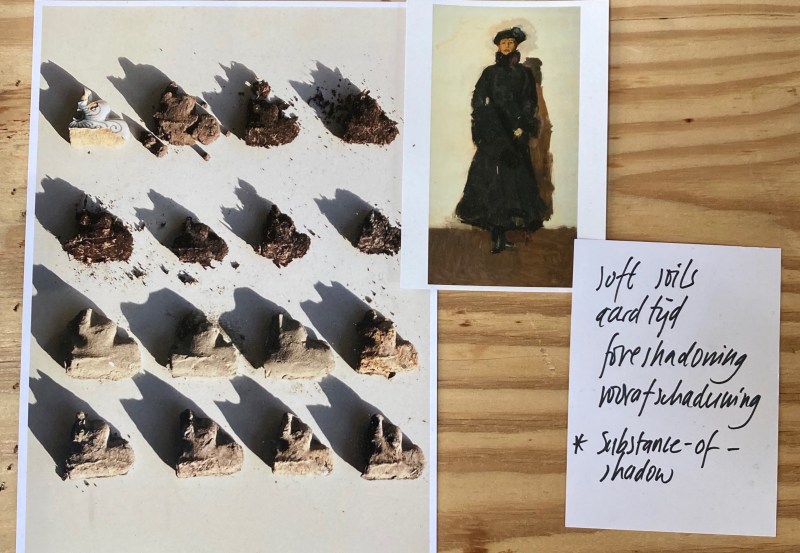
aardtijd | Time of Earth | sublime substance of shadow | foreshadowing | sense of touch |future climate
above ground | subterranean | submerged
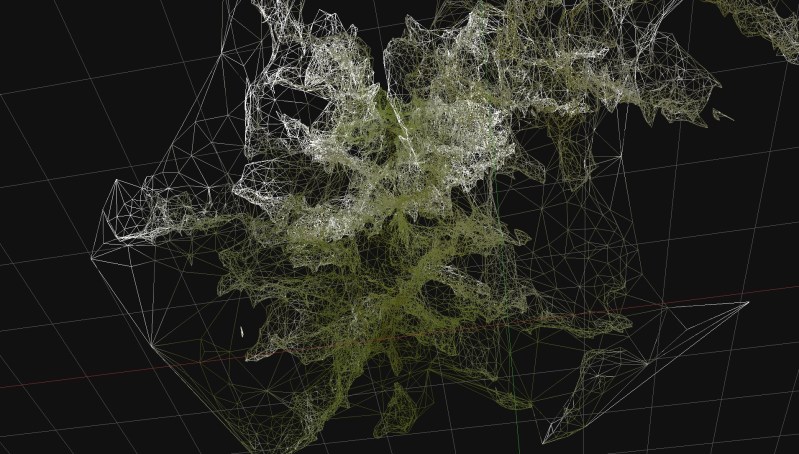
in search of the sublime substance of shadow… migrating fluid matter, colors… drawing…
shape-shifting sun, water, minerals
in-between-ness of time, matter, landscapes, climate
still-life | still of time | beauty of transience, of impermanence
recent research | artist-in-residencies | exhibitions
2024: Overlevers | Survivors, new circulair research; upcoming artist -in-residency Arita, Japan
2024 Nabijheid | Proximity, artist-in-residency Park Studio de Orangerie, Zone2Source Amsterdam
2023 Shape-shifting, artist-in-residency Earthly Encounters, Clay Kitchen Portugal
2023-ongoing Plantscape, Plantmade, Botanic Porcelain, Biodigital Eggshell Porcelain
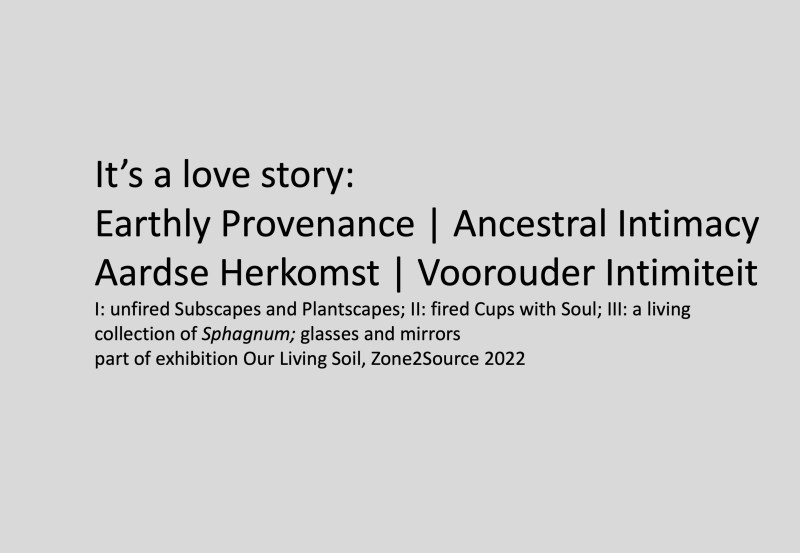
2022 It’s a love story: Earthly Provenance | Ancestral Intimacy, exhibition, Zone2Source Amsterdam
2022 Dagzomen, artist-in-residency Park Studio de Orangerie, Zone2Source Amsterdam
2022 In search of the miraculous.. artist-in-residency Cascadas Artspace Barcelona
2022 Gathering Dust, or delay as artistic research method, performative intervention, Arti et Amicitiae, Amsterdam
2022 Soft Soils | aardtijd, exhibition, Arti et Amicitiae, Amsterdam
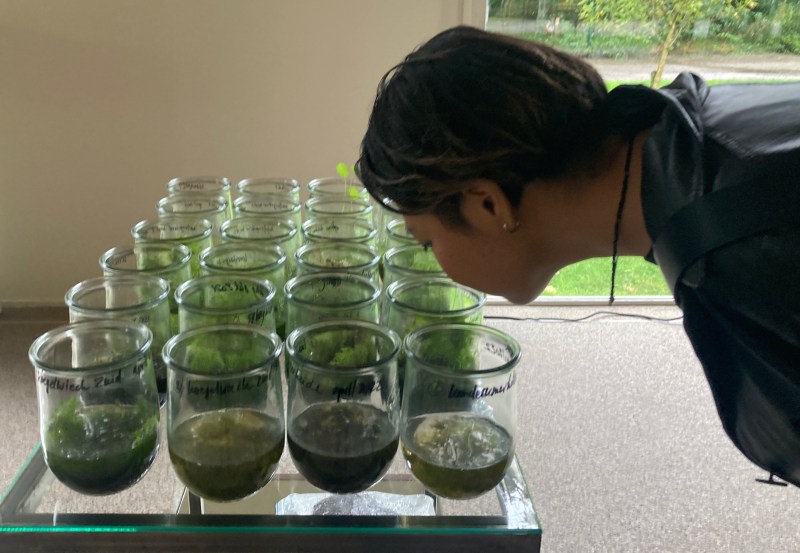
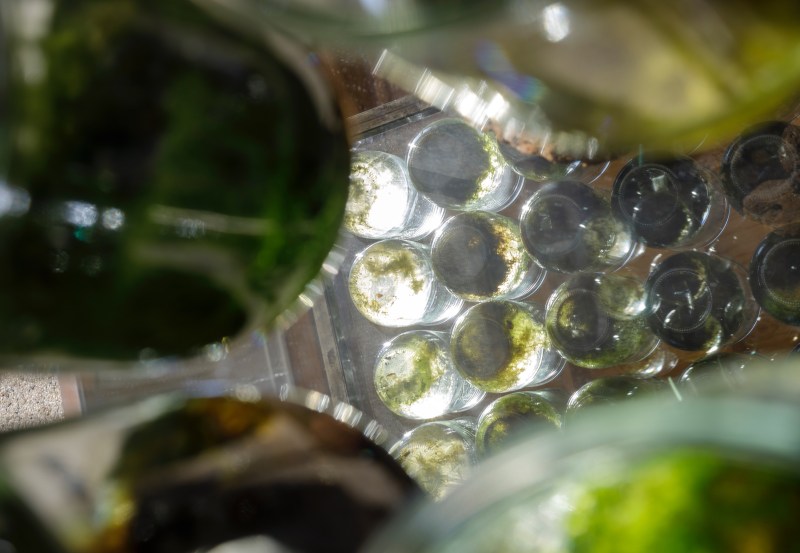
2021-ongoing Sphagnarium, learning to take care of a living collection of indigenous landscaping peat mosses
2021 aardtijd, artist-in-residency Glazen Huis, Zone2Source Amsterdam
2021 Re-cast as Repository | Residual Intimacy artist-in-residency EKWC, Open Studio Test Case XXIV
2020 Breath of Soil(s), exhibition, Zone2Source Amsterdam
2020 sedi | senti | ment artist-in-residency EKWC, Open Studio Test Case XXII
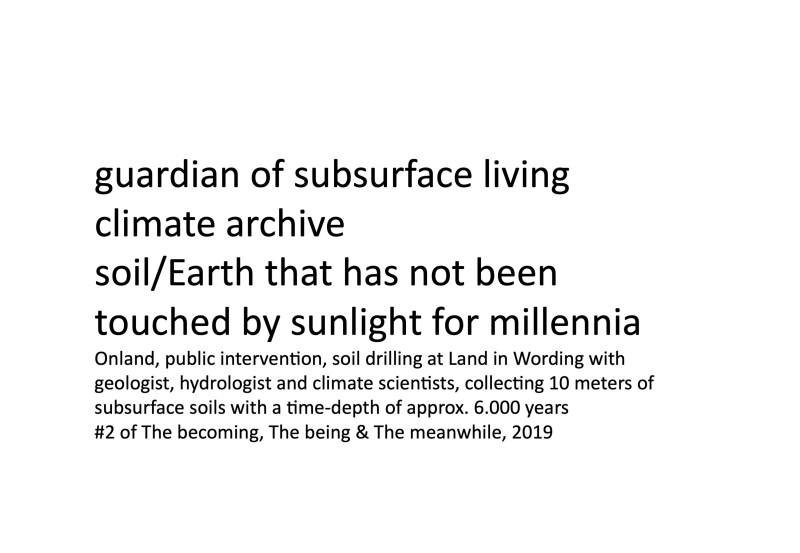
2019-ongoing The becoming, The being & The meanwhile; subsurface as living climate archive; empirical artistic field research themed around Land in Wording, Amstelpark, Zone2Source Amsterdam; #1 Genesis, #2 Onland; Guardian, #3 Breath of Soil(s), #4 Soft Soils, #5 aardtijd, #6 toenadering, #7 foreshadowing | residual intimacy, #8 Soft Soils, aardtijd, #9 Gathering dust
With special thanks for the support of Mondriaan Fonds, Stroom Den Haag, EKWC, FabLab@EWKC, Zone2Source, Cascadas Artspace Barcelona, Clay Kitchen Portugal, Yvo van Os and many more! To be continued.
U Tsu Wa | t’o t’ai
“The humble cup is the most used and useful object made by the potter.” (The Intimate Object, Australian Ceramics Association)
in search of…
still-life | still of time | beauty of transience, of impermanence …
Plantmade | botanic porcelain | biodigital eggshell porcelain | vulnerability | Earth …
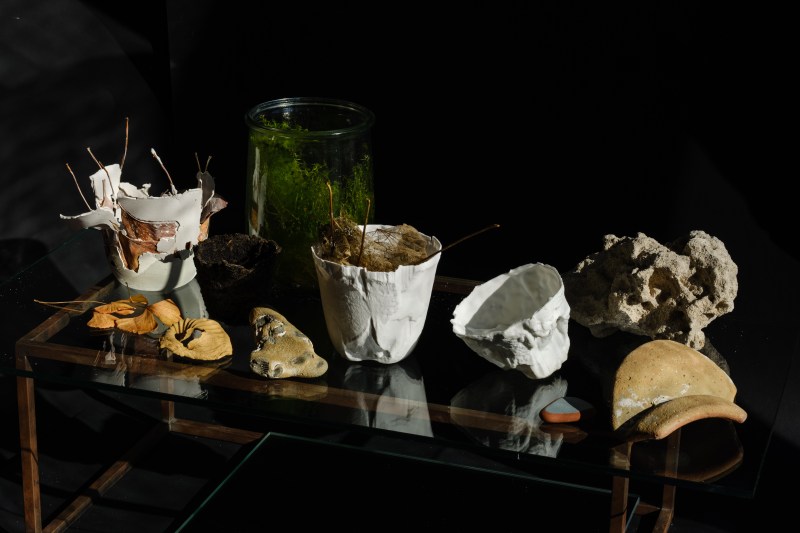
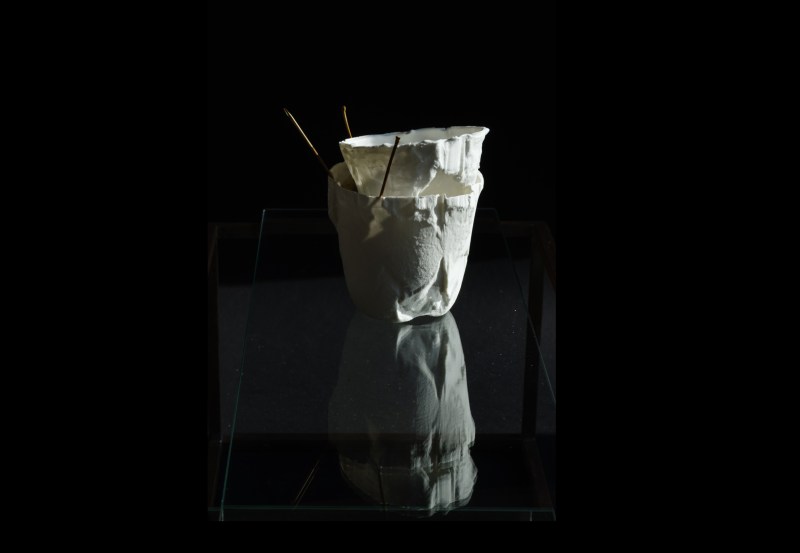
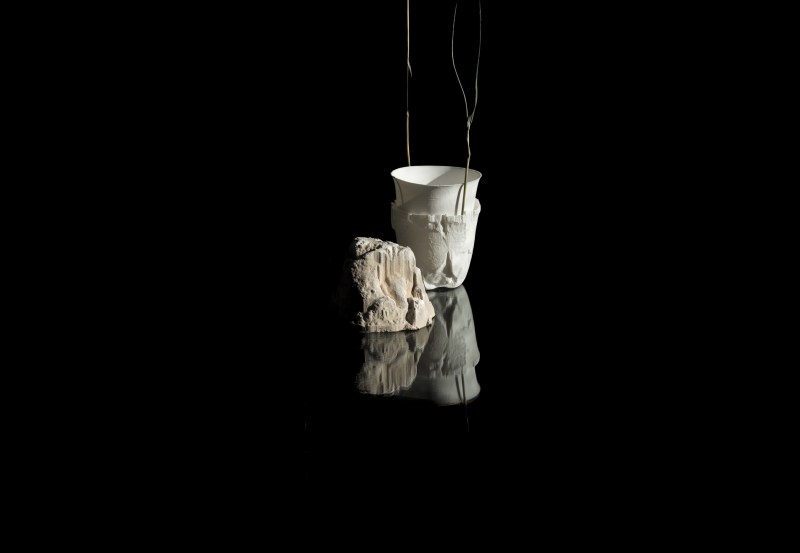
Plantmade; 3-d scan – print – mould – cast – outside + inside + cup with soul + sunlight + reflection…
Work in proces, with special thanks to Yvo van Os, FabLab @EKWC, Stroom Den Haag, Zone2Source, Karin & Frans van Paassen; photo Theo Mahieu.

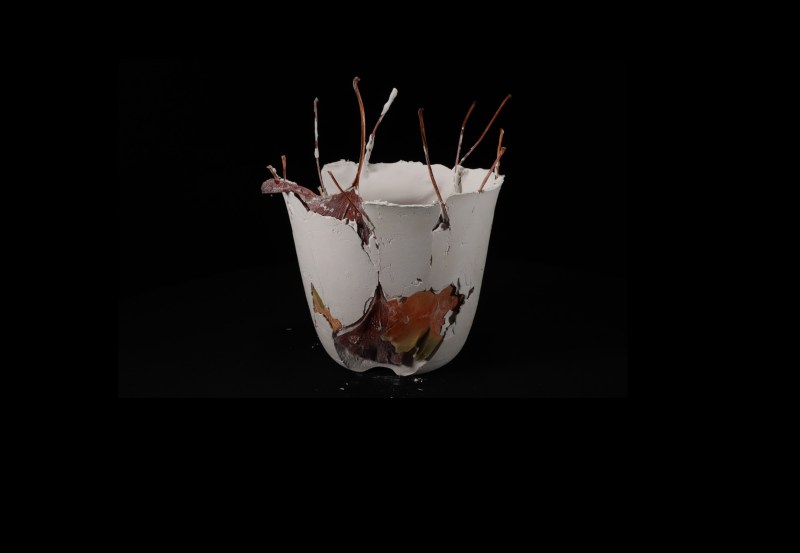
Q: When a piece is unfired, do we still call it ceramics?
A: “I do consider working with unfired clay as a ceramic practice and have included raw clay work in most of my major curatorial projects”.
Wendy Gers, curator, Princessehof National Museum of Ceramics, Netherlands.
In search of the miraculous… the in-beween-ness…
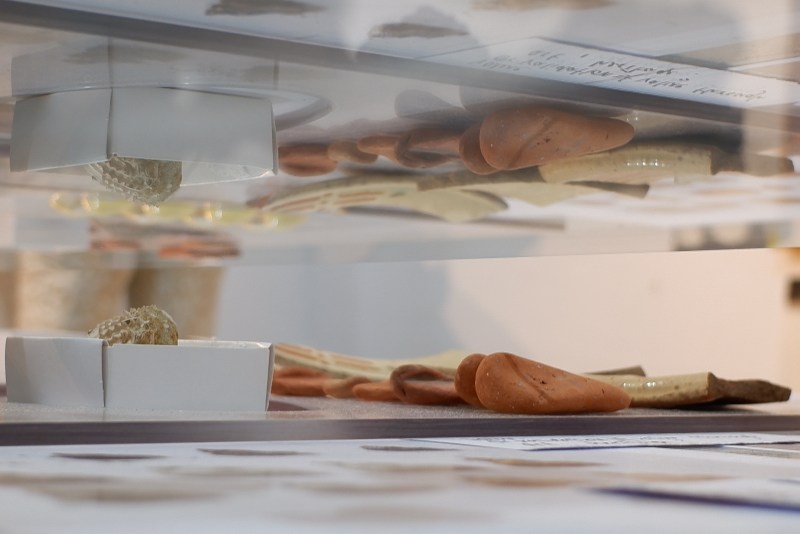
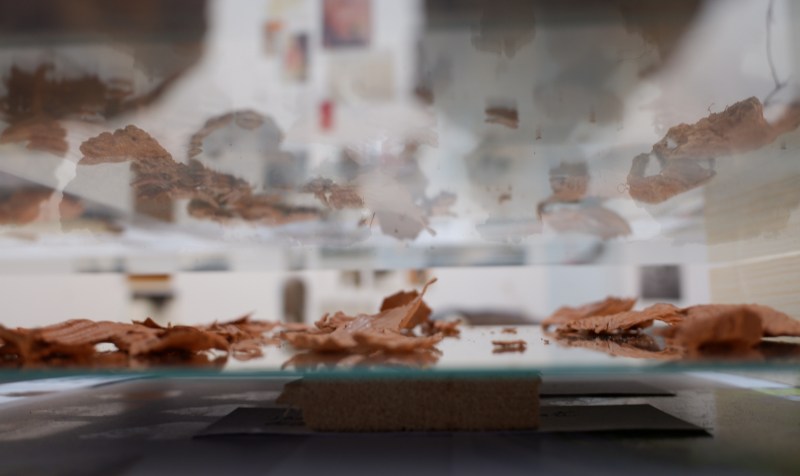
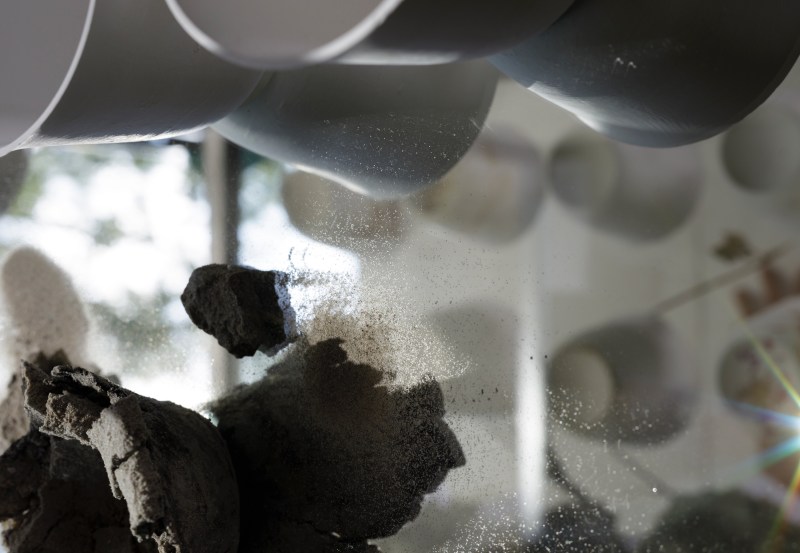
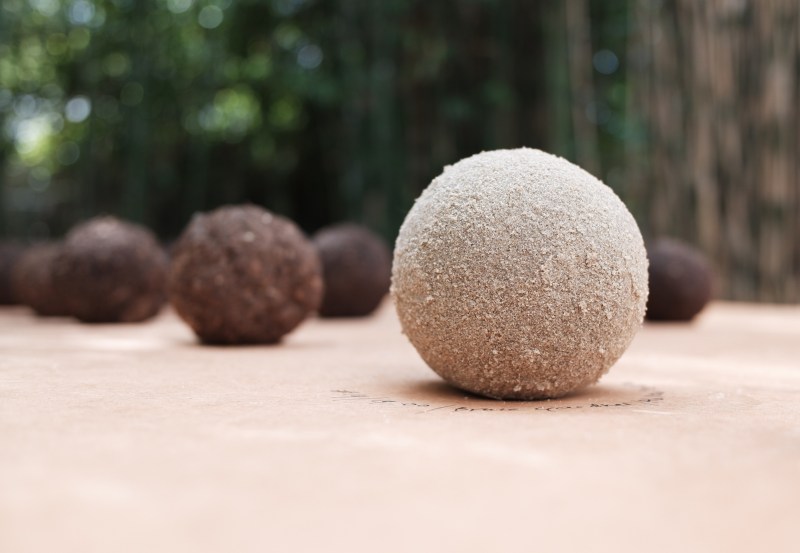
Dune sands from underneath my home, untouched by sunlight for 125 years. Special thanks to Re-Peat Collective.
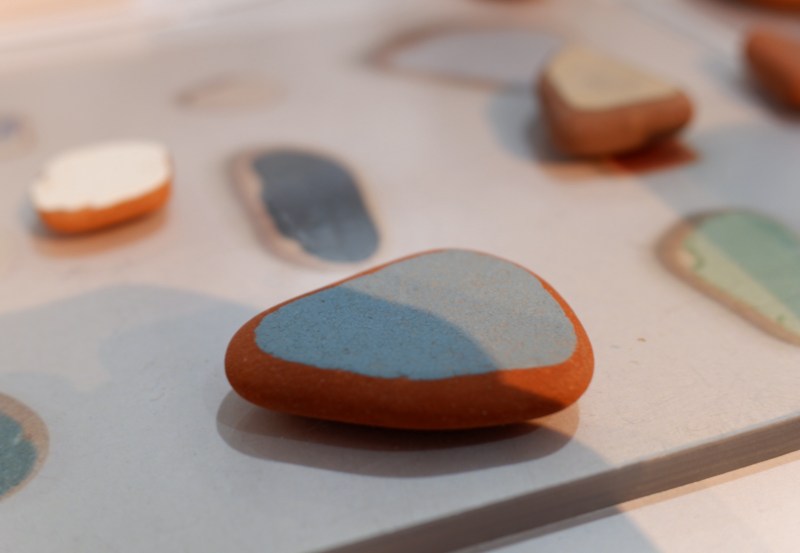
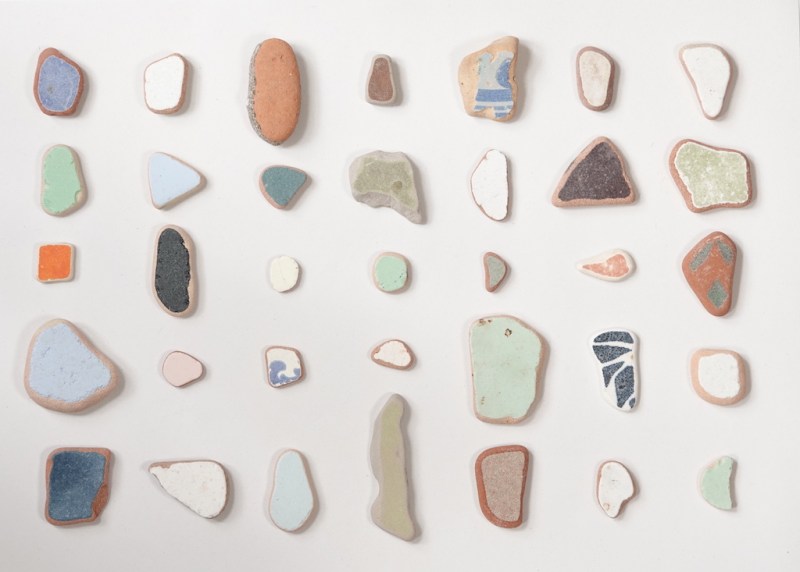
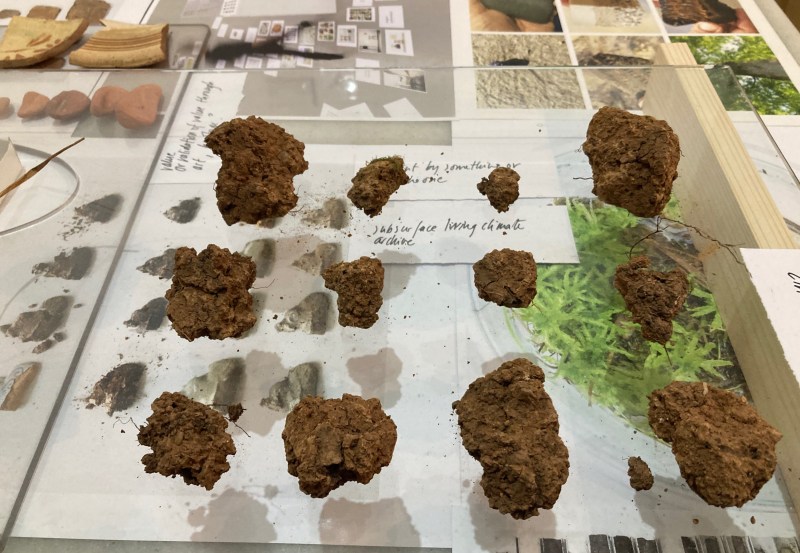
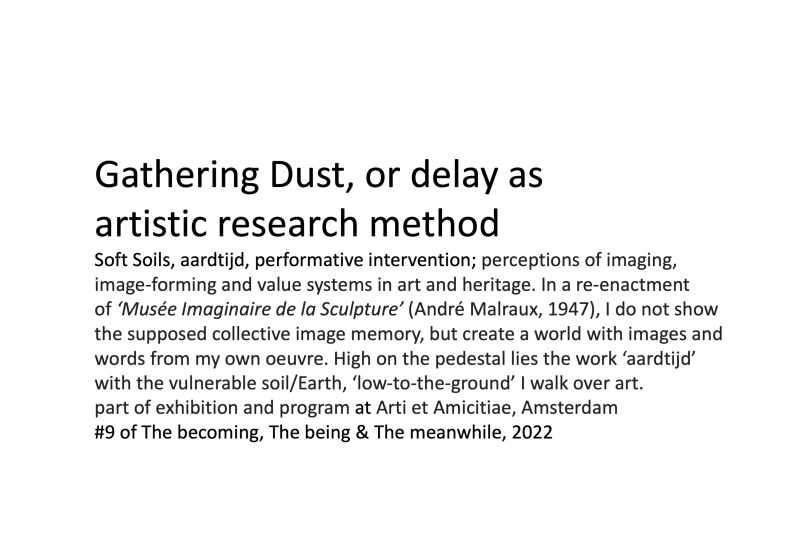
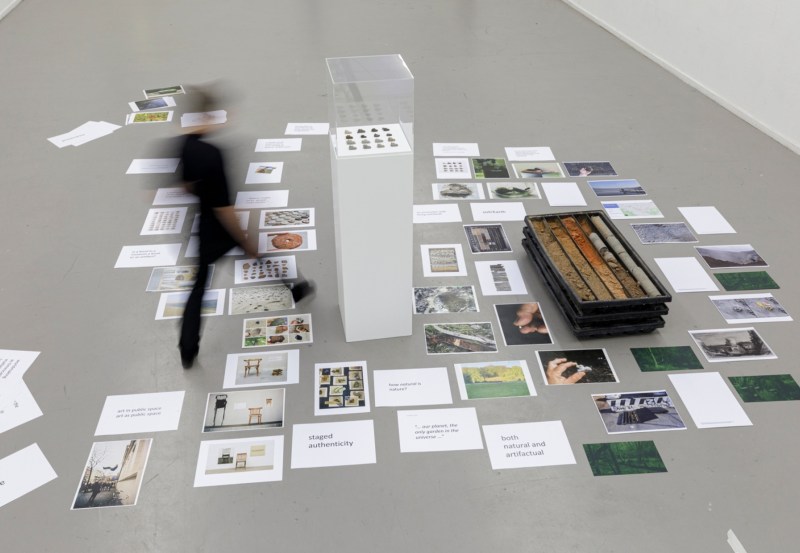
Gathering dust 2 is performed by students Artistic Research In Situ (University of Amsterdam, Gerrit Rietveld Art Academy, Maastricht Institute of Arts)


weathering
worldmaking as timescaping, matterscaping, landscaping, climatescaping
a polycyclic mountain?

In 1991 I hiked through the Himalayas in Nepal, wondering about the genesis and massive natural erosion of this enormous range of mountains. And I saw human destruction. Locals cut woods for fire to heat buckets of water to cater for hikers like me. Resulting in huge landslides that wash away all fertile soils that cling to the slopes of these mountains. Later I learned that the top of the mountain can actually be found at the foot of that same mountain and sediments are spread all over the world. I brought home a small green-grayish stone in my backpack. In sync with the ‘original’ habitat I put the stone in some water and made this work in 1996.
inspiration worldscaping
worldscaping as in timescaping, matterscaping landscaping, climatescaping..
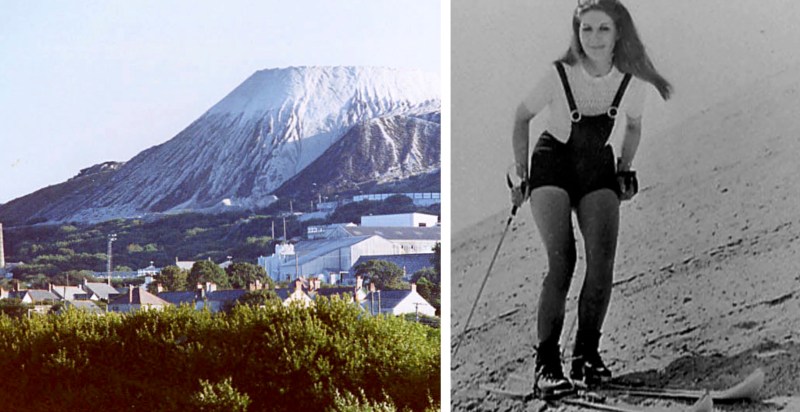
The image is now in the collection of Nationaal Archief. “Every ton of useable china clay brought with it 5 tons of waste”.
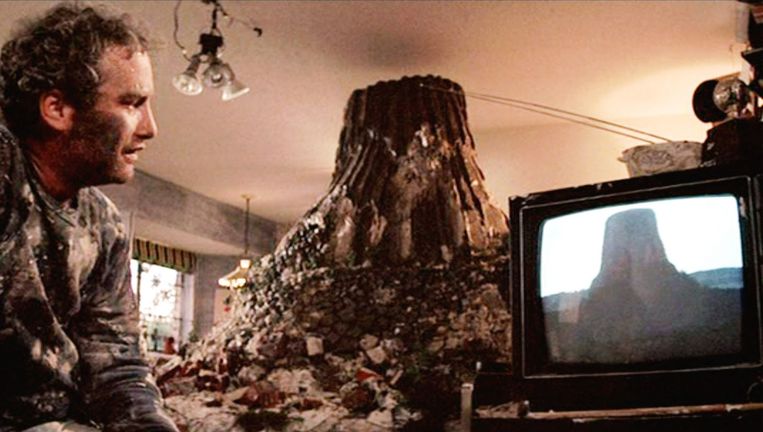
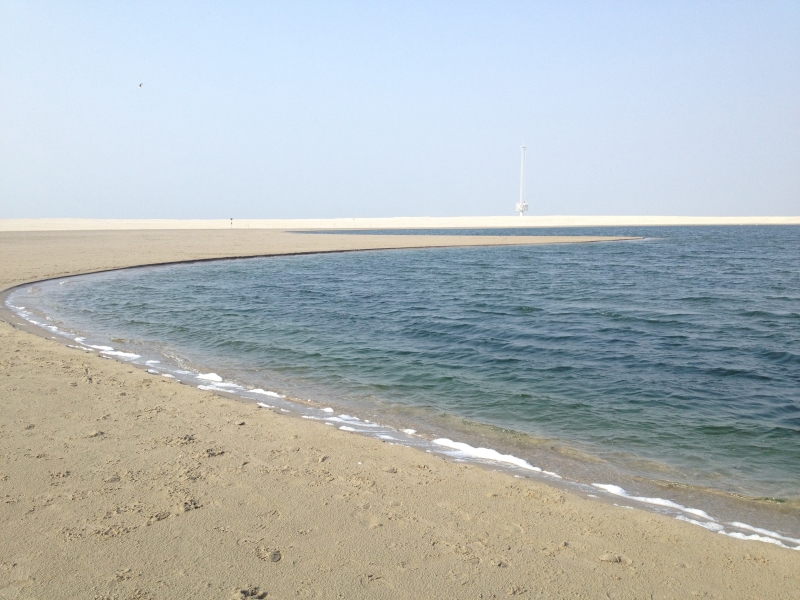
link to essay
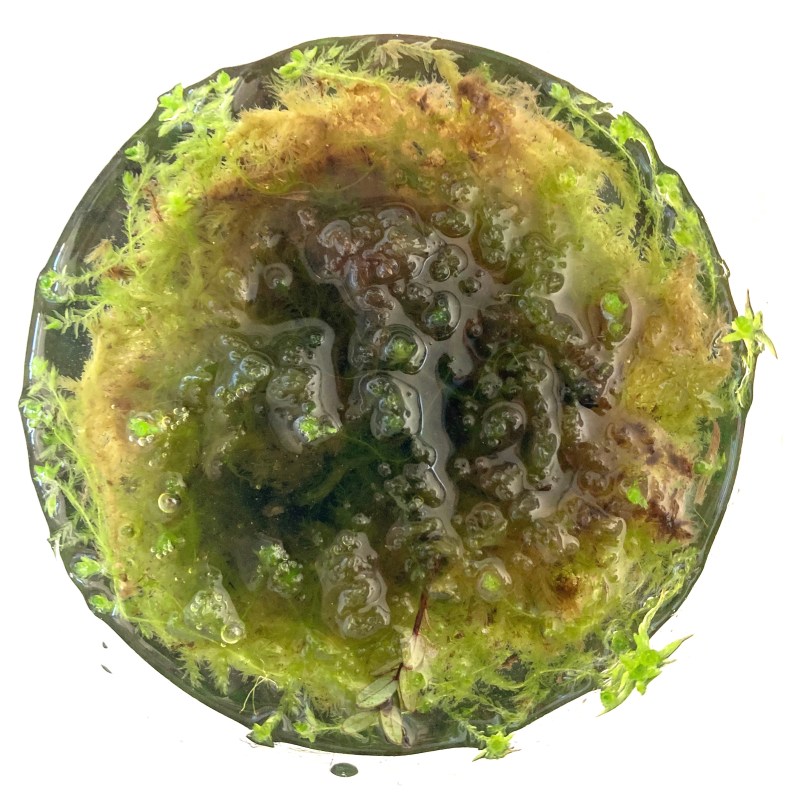
inspiration, historical references art-nature
Inspiration:
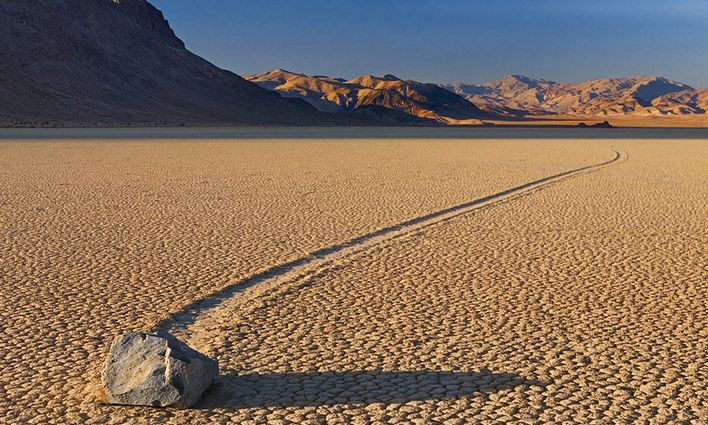
As a teenager I was fascinated by a photo of a moving rock, published in an edition of National Geographic Magazine (if I remember correctly). And that there was a myth surrounding these rocks. Nobody knew how or why they could move… So the first time I traveled to the United Stated, I wanted to see this natural phenomenon with my own eyes and ‘Racetrack Valley in Death Valley’ became my destination. However, it proved out of reach for a ‘touristic visit’, so the myth and speculations continued… until recently. But the seed was planted for my artistic practice, and I am still wondering how we perceive, interpret and represent the world around us.
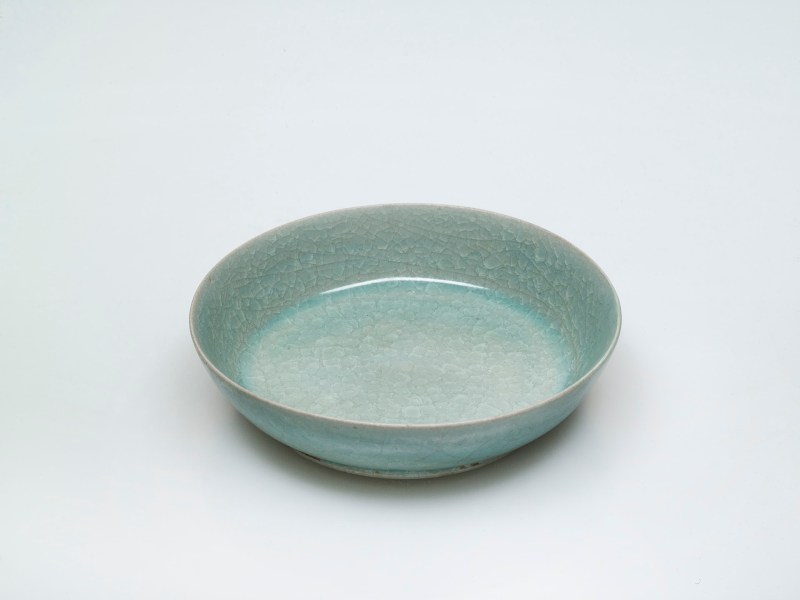
Ru bowl, or The sky after a rainstorm. China, Northern Song dynasty (960-1127). The most striking feature is the green-grey glaze, once described as ‘the colour of the sky after a rainstorm’. Collection Princessehof National Museum of Ceramics, NL.
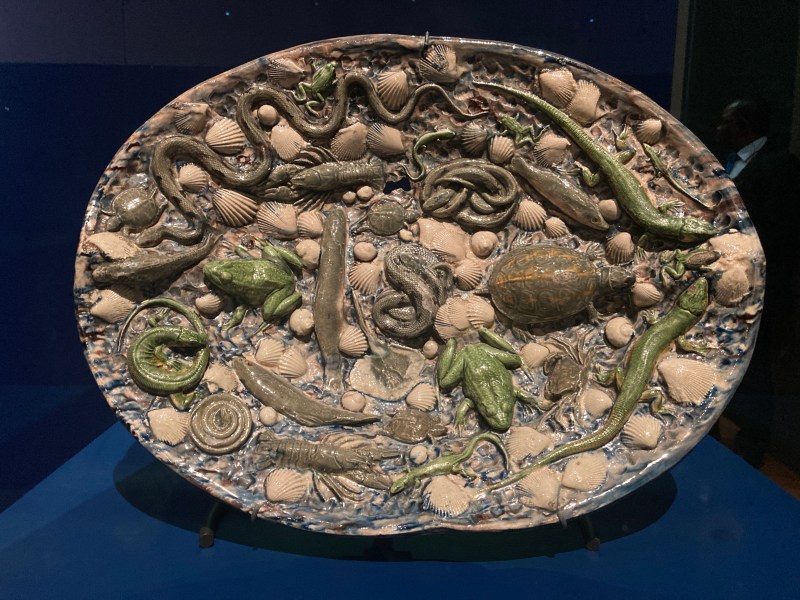
Inspired by 16th century nature-explorer and ceramist Bernard Palissy (1510-1590). Trying to capture the essence of life in a marshy pool. Palissy is known for his contributions to the natural sciences, and is famous for discovering principles of geology, hydrology and fossil formation. (Image) On loan at Rijksmuseum, visit with Jan de Hond, conservator exhibition Onderkruipsels, 2022. Introduction, followed by visit to depot with Aurélie Gerbier, conservator Musée national de la Renaissance, Ecouen, France, 2023.
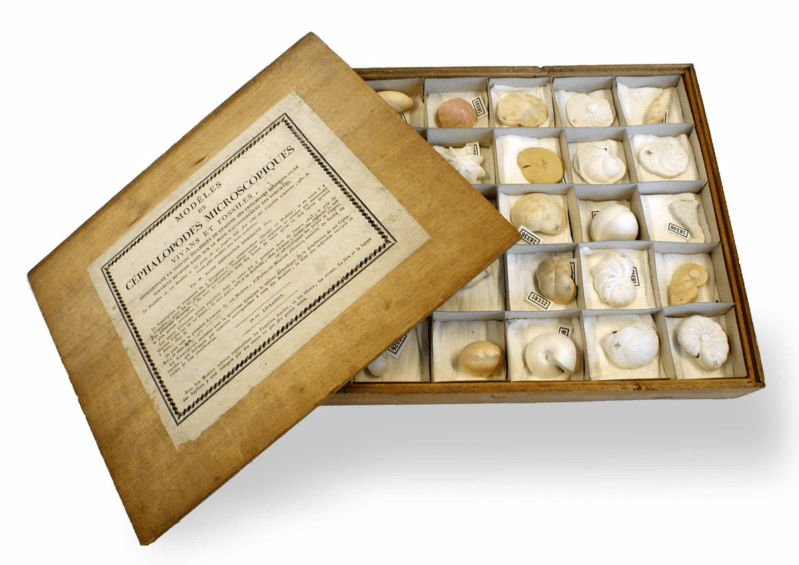
Teylers Museum NL: collection of enlarged cast models of foraminifera by D’Orbigny (1802-1857). Paleontologists and archaeologists used molds and casts as a method of sharing knowledge and insights as a form of ‘open source’.
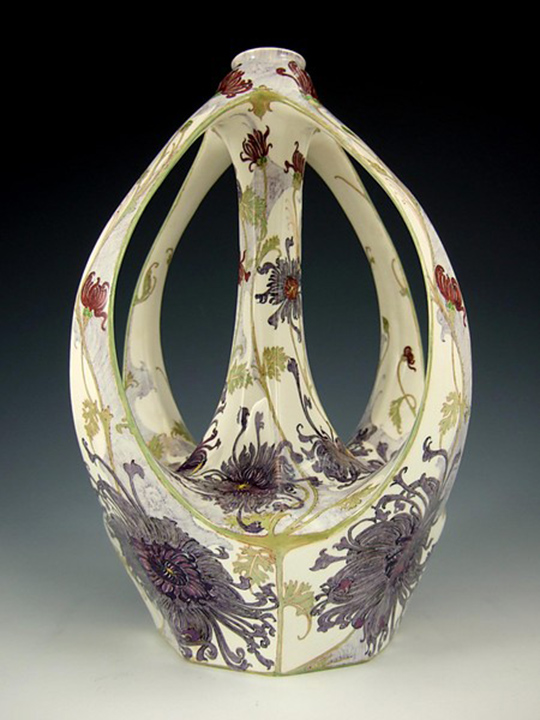
Haags Rozenburg eggshell porcelain. Collection Kunstmuseum The Hague, visit depot with Jan de Bruijn, curator Kunstmuseum, 2023..
It seems a parallel with the current time when more than 100 years ago artists went in search of ‘new art for a new and better society’ with nature as a source of inspiration and revaluation of craftsmanship (Art Nouveau). In the Boekhorststraat in The Hague (later Buitenom), the N.V. ‘s-Gravenhaagsche Kunstaardewerkfabriek, Plateelbakkerij Rozenburg (1883-1916) started producing eggshell porcelain (1899 -1914). This porcelain was painted with motifs derived from plants, flowers or animals and inspired by the East. It was first presented at the World Exhibition in Paris in 1900.
As a student at the KABK I had my first studio in the attic of this former porcelain factory. Now I try to make eggshell porcelain.

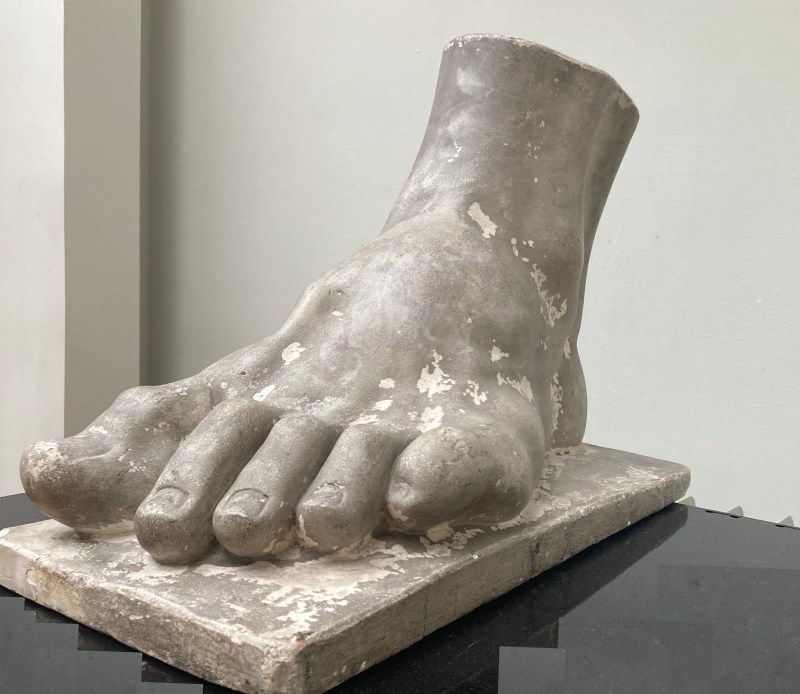

The academic tradition of art academies to learn to draw after plaster casts.
KABK, Royal Academy of Art The Hague housed a Gipsmuseum (museum of plaster replicas, 1920 to 1960 part of KABK) to learn to make art after nature. After damage by WWII and a beeldenstorm – iconoclasm – to break with former traditions by Joop Beljon (my former tutor) now only relics of the plaster replicas are left. As a student I found one of these relics and made the drawing De voet (the first, student KABK 1980; in private collection). In 2022 I revisited the KABK and re-connected with the original replica of the Foot. Collections are now in RMO, Maastricht University. Allard Pierson Museum, visit with Rene van Beek, curator Allard Pierson, 2022. Visit exhibition Gipsen, tussen kunst en kopie, Bonnefanten Museum with Marjan Melkert, curator plaster Gypsotheek collection Bonnefanten Museum, 2024.
staged authenticity
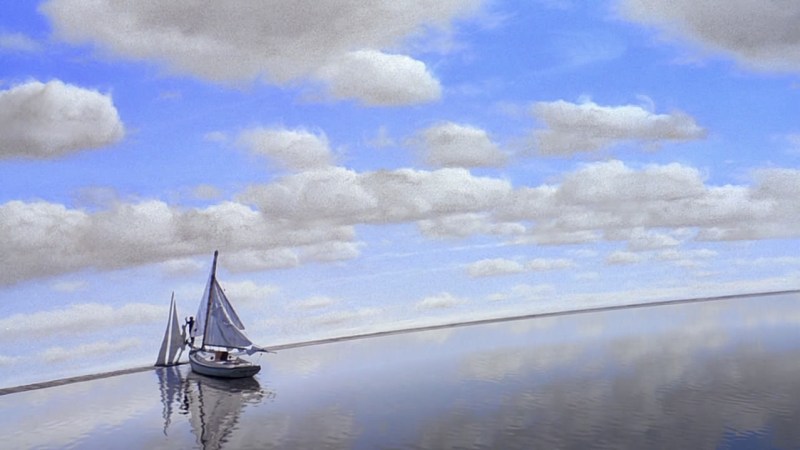
There is never only one story to tell.
We all live in the bubble of a Truman Show.
One day you wake up and realize what kind of world you live in…
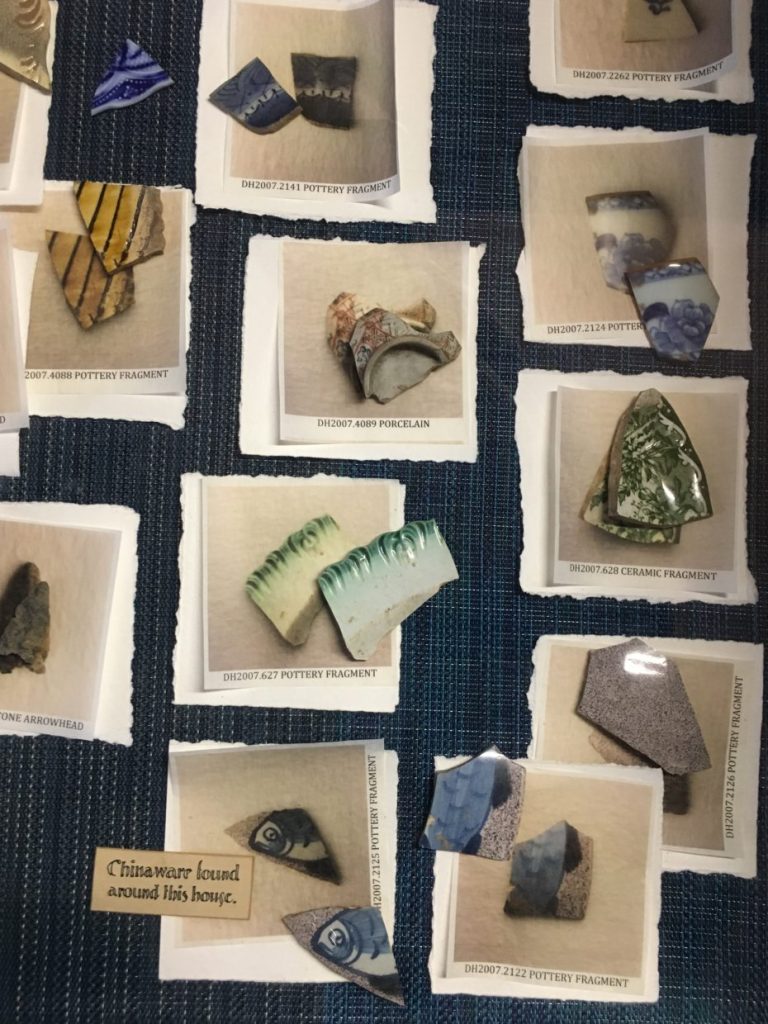
 Jacqueline Heerema